Is Black-Eyed Susan right for my garden?
Answer four quick questions. Your answers stay on this device.
Which black-eyed Susan?
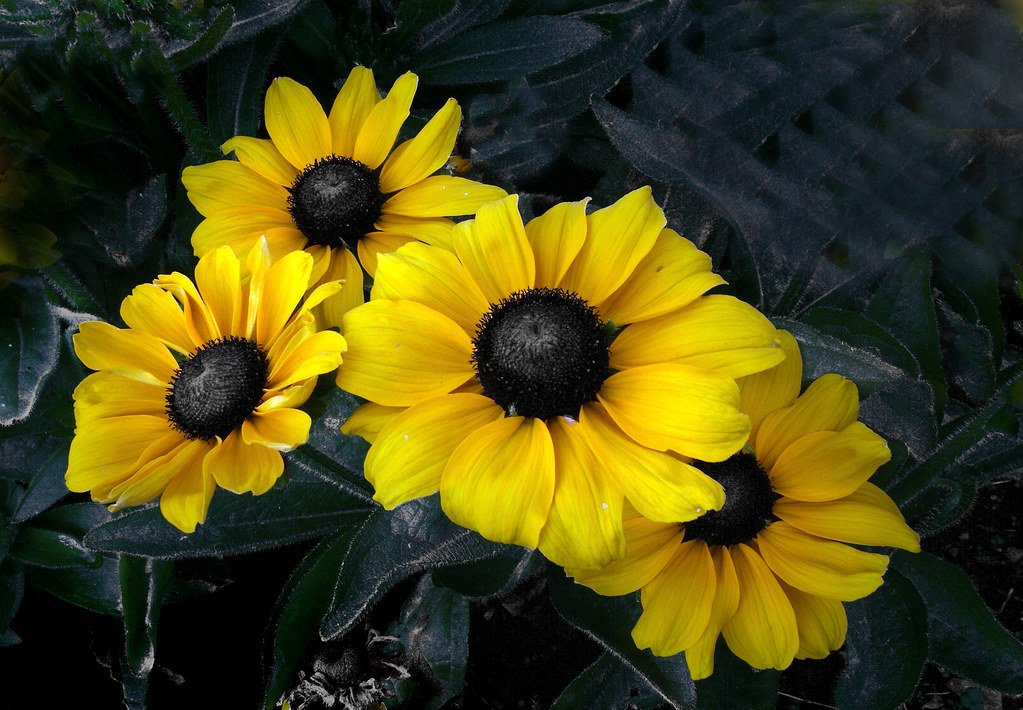
Seed sold as black-eyed Susan is almost always Rudbeckia hirta, a short-lived perennial that often flowers the first year from an early sowing. The long-lived perennial 'Goldsturm' is a different species, Rudbeckia fulgida, and is usually sold as plants.
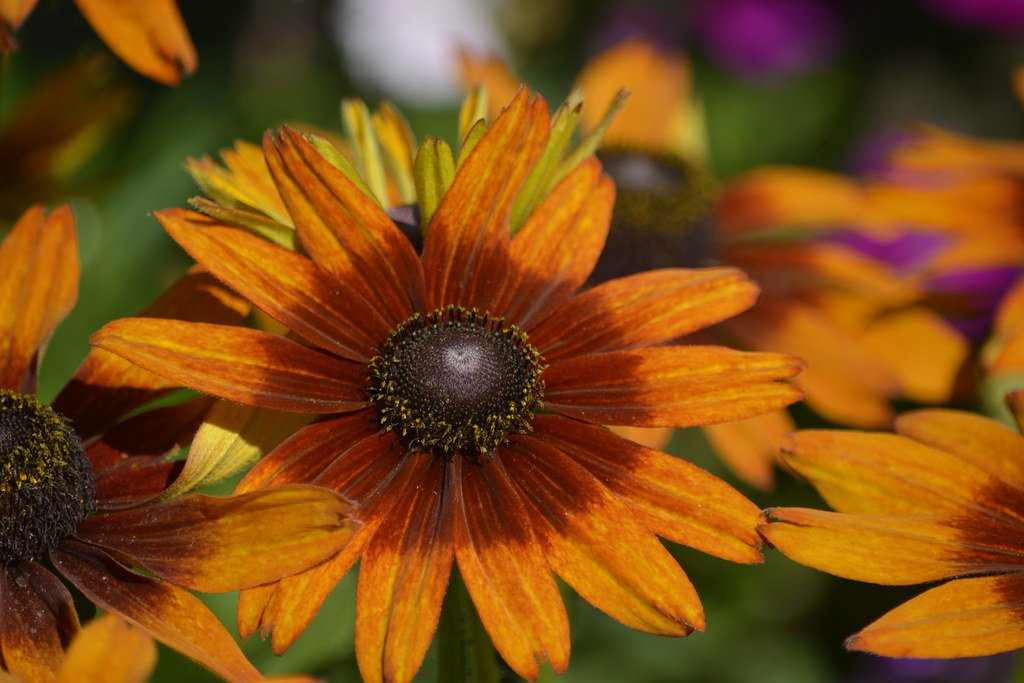
- Cherokee SunsetDouble and semi-double flowers in bronze, red and gold.
- Indian SummerVery large single flowers on sturdy stems.
- Prairie SunGolden petals with light green centers.
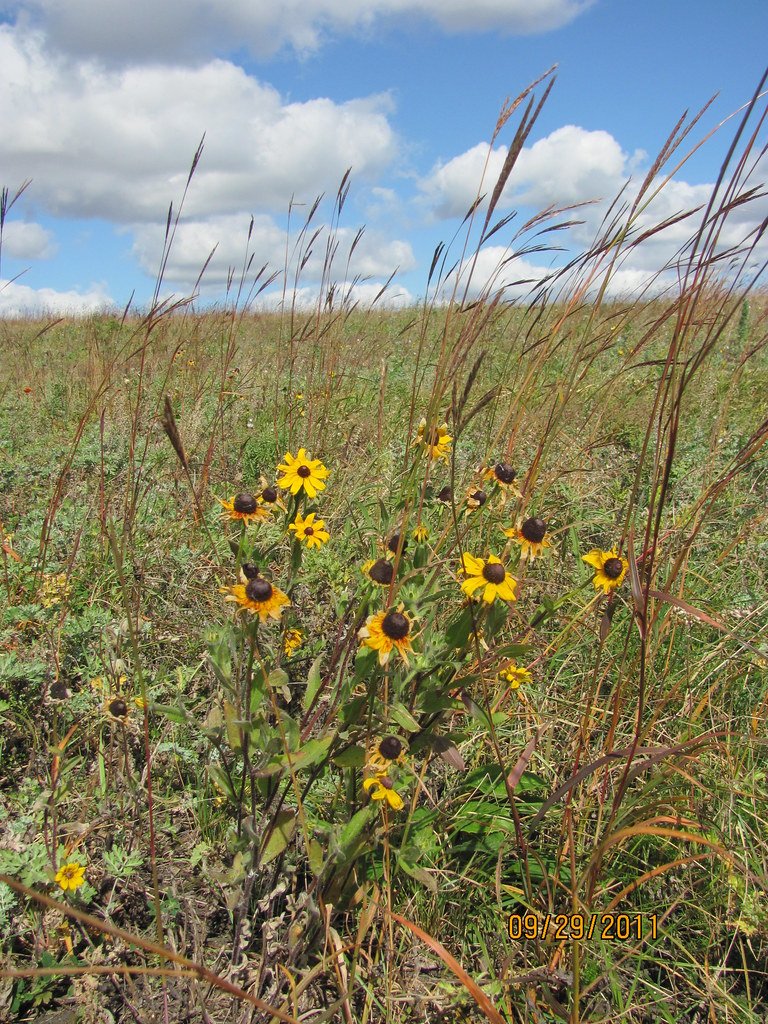
- Wild typeThe straight species for meadows and native plantings.
How to sow
The seed needs light to germinate, so press it onto the soil surface or cover it with only a dusting of soil. Fall sowing works well: winter cold and moisture help germination and seedlings appear in spring. For spring sowing, sow outdoors around the last frost or start indoors 6 to 8 weeks earlier.
- Full sunPlants grow lanky and flower less in shade.
- Keep moist to sproutMist or water lightly until seedlings appear, then water only in drought.
- No rich soilExtra fertilizer makes floppy stems.
- Let some seed dropPlants self-sow and keep a patch going for years.
Growing calendar
Pick your USDA hardiness zone. Dates shift from your zone's average last spring frost, so treat them as a starting point and adjust for your local forecast.
My planting dates for zone 6
Based on an average last frost around . Change your zone in the calendar above and these dates update.
Works with Apple Calendar, Google Calendar and Outlook. You get a reminder the day before each step.
Problems and solutions
Most Black-Eyed Susan problems come down to a few causes. Find the symptom you see, then follow the fix.
Seeds did not come up
Likely causeCovered too deeply
What to doSow on the surface. The seed needs light to germinate.
Dark spots on lower leaves
Likely causeLeaf spot fungus
What to doRemove spotted leaves, space plants and water at the base.
Plants flop over
Likely causeRich soil or too much shade
What to doGrow in full sun in average soil, without extra fertilizer.
My season checklist
Tick off each step as you go. The dates follow your zone, and your ticks are saved on this device, so you can come back all season.
Frequently asked questions
When should I plant black-eyed Susan seeds?
In fall for spring germination, or in spring around your last frost. Indoors, 6 to 8 weeks before the last frost.
Do black-eyed Susan seeds need light to germinate?
Yes. Sow on the surface or barely cover the seed.
Will black-eyed Susan bloom the first year from seed?
Often yes, especially from an early indoor or fall sowing.
Are black-eyed Susans perennial?
Rudbeckia hirta is a short-lived perennial or biennial. It usually comes back by reseeding.
Do black-eyed Susans spread?
They self-sow freely. Deadhead if you do not want seedlings.
My garden notes
Write down the variety you planted, the date, where it grows and how it did. Your notes stay private on this device and print on your care card.
More in this guide
This page is part of our complete flowers from seed guide. Easy annuals, wildflowers and cutting flowers you can start for the price of a seed packet.
 Zinnia Seeds
 Dahlia Tubers
 California Poppy Seeds
 Wave Petunia