16 purple flowers for your garden
| Flower | Type | USDA zones | Blooms | Sun |
|---|---|---|---|---|
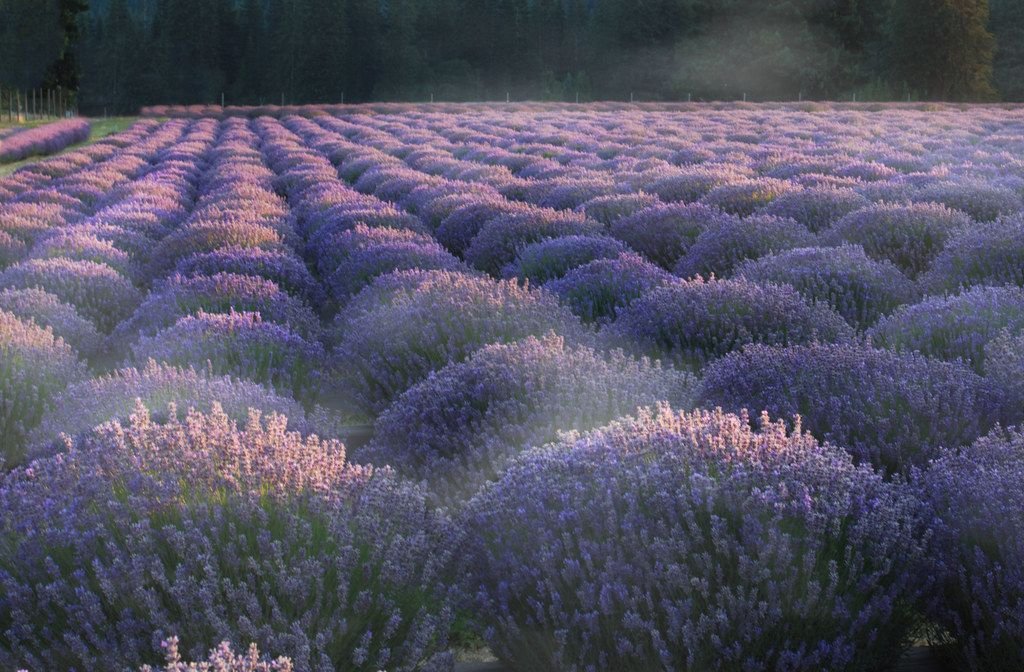
| Lavender | Perennial | 5 to 9 | Early to midsummer | Full sun |
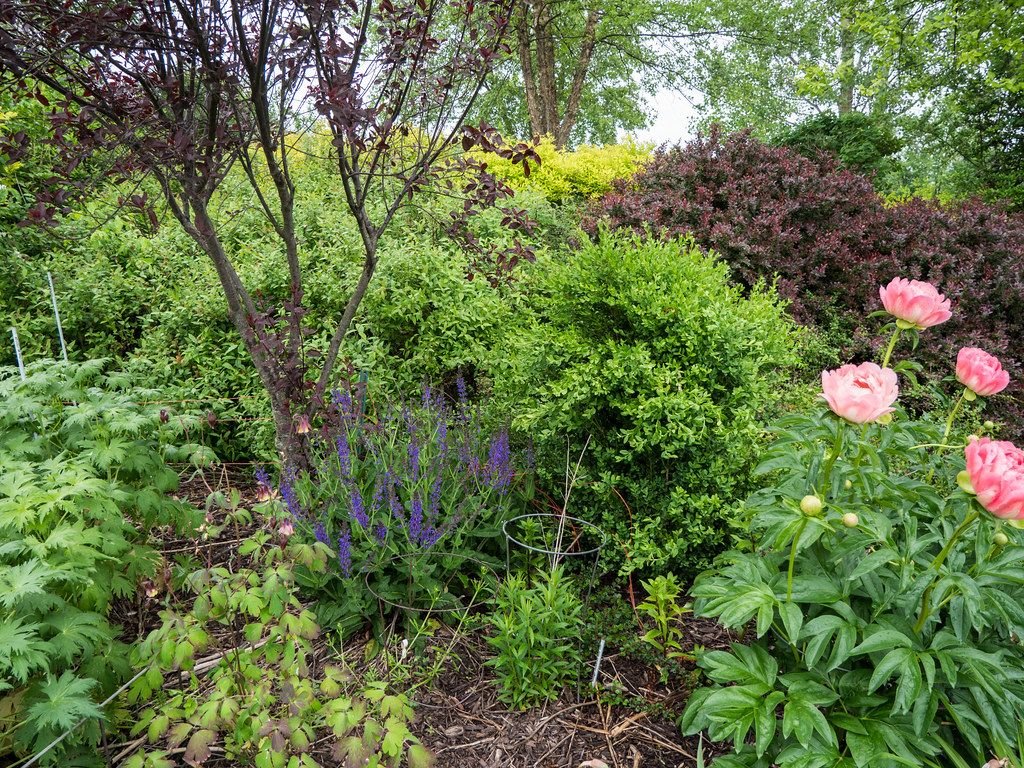
| Salvia 'May Night' | Perennial | 4 to 8 | Late spring to summer | Full sun |
| Catmint (Nepeta) | Perennial | 3 to 8 | Late spring to fall | Full sun |
| Russian sage | Perennial | 4 to 9 | Summer to fall | Full sun |
| Purple coneflower | Native perennial | 3 to 9 | Summer | Full sun |
| New England aster | Native perennial | 3 to 8 | Late summer to fall | Full sun |
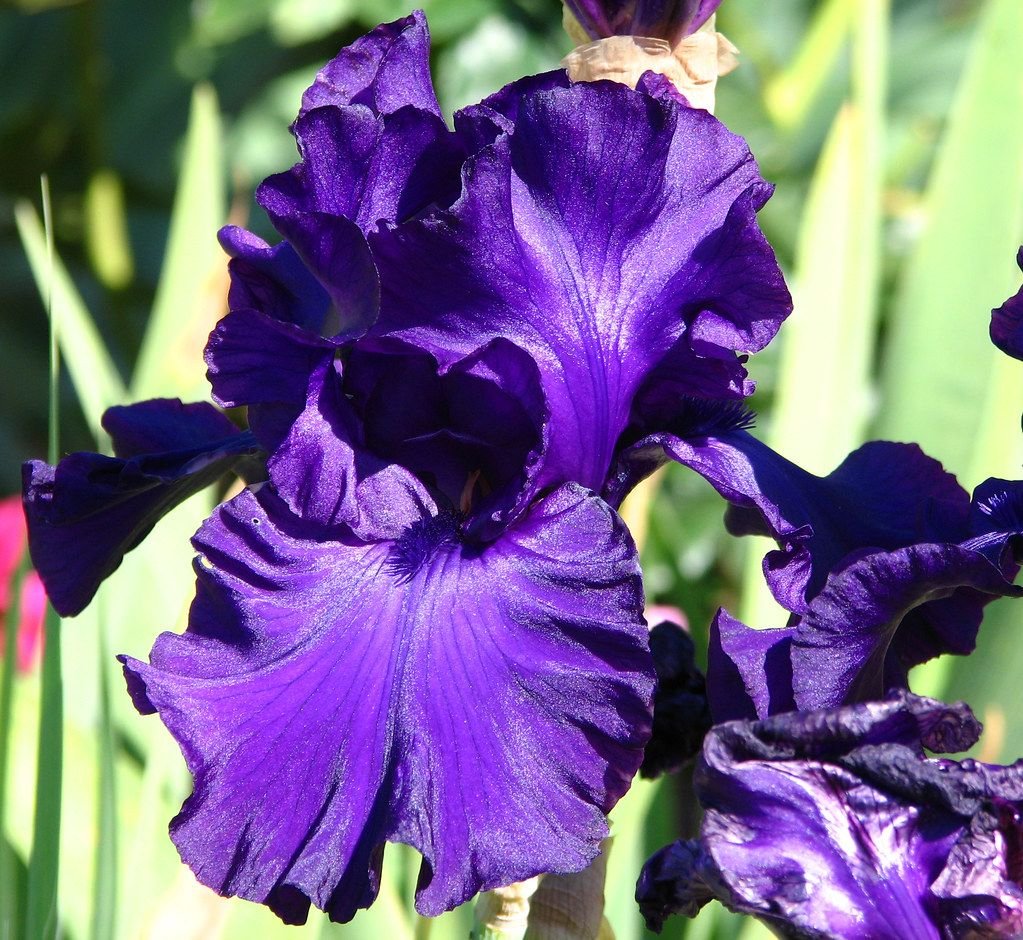
| Bearded iris | Perennial | 3 to 9 | Late spring | Full sun |
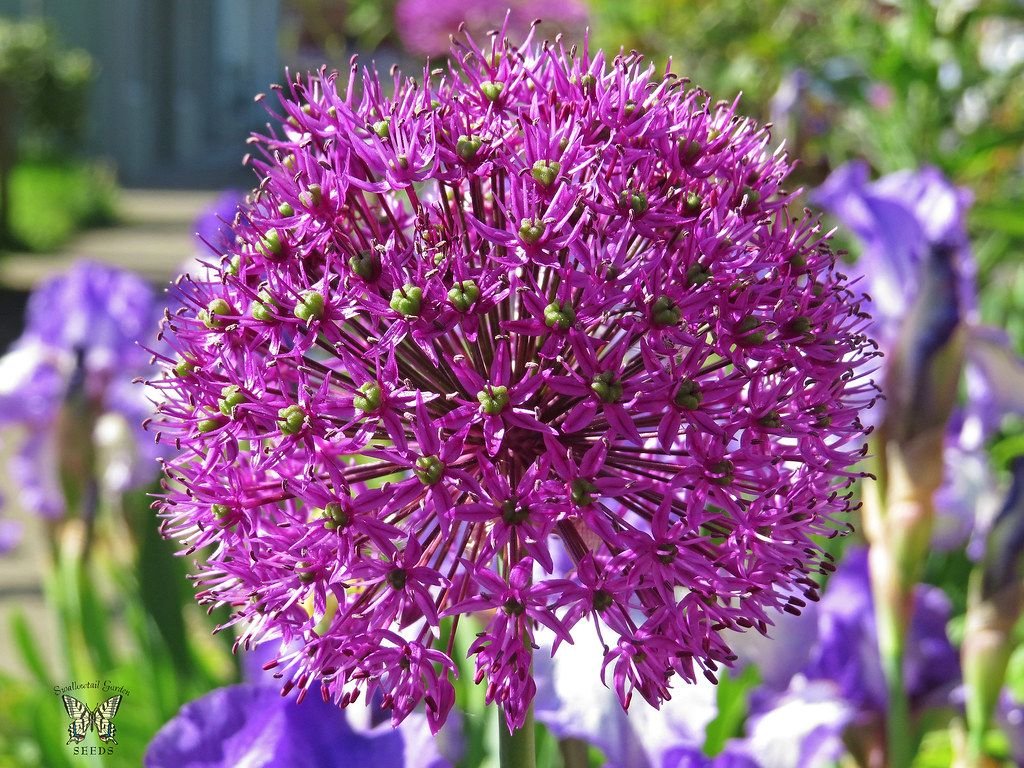
| Allium | Bulb | 4 to 8 | Late spring to early summer | Full sun |
| Crocus | Bulb | 3 to 8 | Late winter to early spring | Sun to part shade |
| Hyacinth | Bulb | 4 to 8 | Spring | Sun to part shade |
| Clematis 'Jackmanii' | Vine | 4 to 8 | Summer | Sun, cool roots |
| Lilac | Shrub | 3 to 7 | Spring | Full sun |
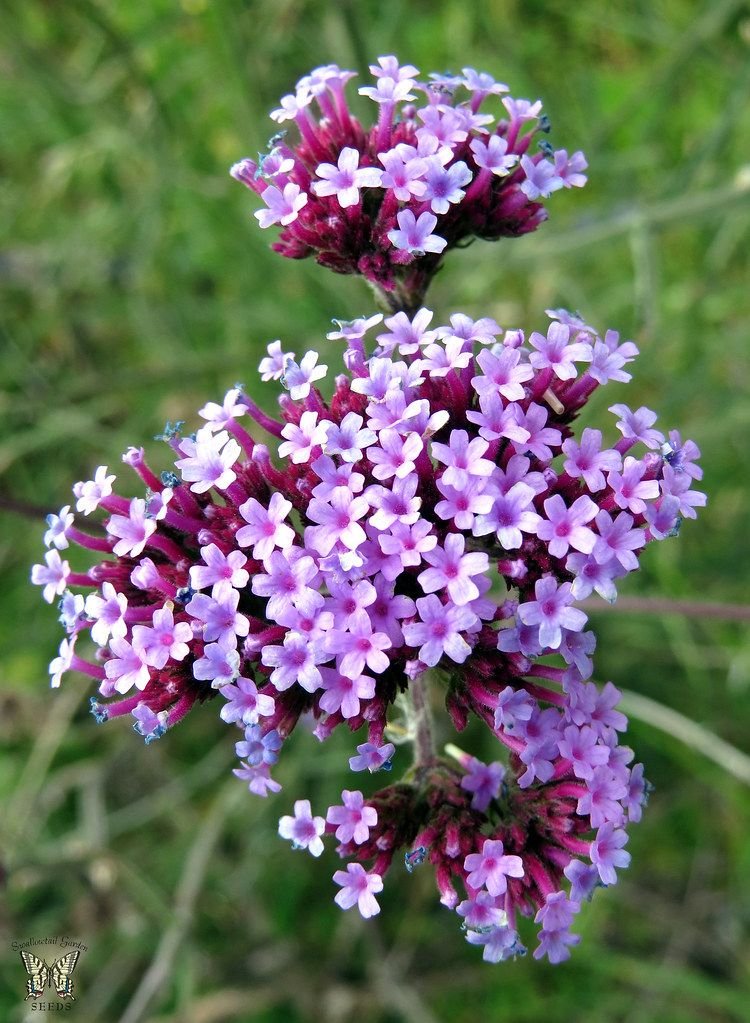
| Verbena bonariensis | Tender perennial | 7 to 11 | Summer to frost | Full sun |
| Petunia | Annual | All | Spring to frost | Full sun |
| Pansy and viola | Cool-season annual | All | Fall to spring | Sun to part shade |
| Heliotrope | Annual | All | Summer | Full sun |
Not sure of your zone? Find it with our planting zone map.
What to know about each
- Lavender: Fragrant; needs sharp drainage.
- Salvia 'May Night': Deep violet spikes; cut back for rebloom.
- Catmint (Nepeta): Lavender-blue haze; deer resistant.
- Russian sage: Silvery stems, drought tolerant.
- Purple coneflower: Pinkish-purple; feeds butterflies and finches.
- New England aster: Vital fall food for monarchs.
- Bearded iris: Plant rhizomes at the soil surface in late summer.
- Allium: Globe flowers on tall stems; plant bulbs in fall.
- Crocus: One of the first flowers of the year.
- Hyacinth: Very fragrant; toxic to pets.
- Clematis 'Jackmanii': The classic deep purple clematis.
- Lilac: Needs winter cold to bloom well.
- Verbena bonariensis: Airy stems butterflies love; self-sows.
- Petunia: Easy color for pots and baskets.
- Pansy and viola: Blooms through light frost.
- Heliotrope: Vanilla-scented flower clusters.
Purple all season
| Season | Purple flowers |
|---|---|
| Late winter to early spring | Crocus, pansies and violas, hyacinth |
| Late spring | Lilac, bearded iris, allium, salvia |
| Summer | Lavender, catmint, clematis, coneflower, verbena, petunia, heliotrope |
| Late summer to fall | Russian sage, New England aster, catmint (second flush) |
Trees with purple flowers
| Tree | USDA zones | Blooms | Note |
|---|---|---|---|
| Jacaranda | 10 to 11 | Spring to early summer | Lavender-blue clouds of flowers; for frost-free gardens. |
| Eastern redbud | 4 to 9 | Early spring | Rosy-purple flowers on bare branches; native. |
| Chaste tree (Vitex) | 6 to 9 | Summer | Lavender spikes loved by bees; can be grown as a shrub. |
| Crape myrtle (purple varieties) | 6 to 9 | Summer | Choose 'Catawba' or 'Twilight' for deep purple. |
| Desert willow | 7 to 11 | Late spring to summer | Drought-tolerant, orchid-like flowers in the Southwest. |
| American wisteria (trained as a tree) | 5 to 9 | Late spring | Choose native American wisteria; Asian wisteria is invasive in much of the US. |
What purple flowers mean
Purple has long been the color of royalty, because purple dye was once rare and costly. In the language of flowers, purple blooms stand for admiration, dignity and enchantment; lavender shades for grace and calm. A bunch of purple flowers suits a birthday or a thank-you. See which months have purple birth flowers in our birth flowers by month guide.
Purple flowers and bees
Bees see blue and violet especially well, so purple flowers are some of the best for pollinators. Catmint, salvia, lavender, Russian sage, asters and coneflowers draw bees and butterflies from spring to fall.
Frequently asked questions
What are the easiest purple flowers to grow?
Catmint, salvia, purple coneflower and petunias are among the easiest, in full sun and average soil.
What purple flowers bloom all summer?
Catmint, verbena bonariensis, petunias, heliotrope and salvia (if you cut it back after the first flush).
What tree has purple flowers?
Jacaranda in frost-free areas, eastern redbud, chaste tree (Vitex), purple crape myrtle and desert willow.
What purple flowers grow in shade?
Pansies and violas, crocus and hyacinth handle part shade. Most other purple flowers need full sun.
What do purple flowers mean?
Admiration, dignity and enchantment; lighter lavender shades stand for grace and calm.