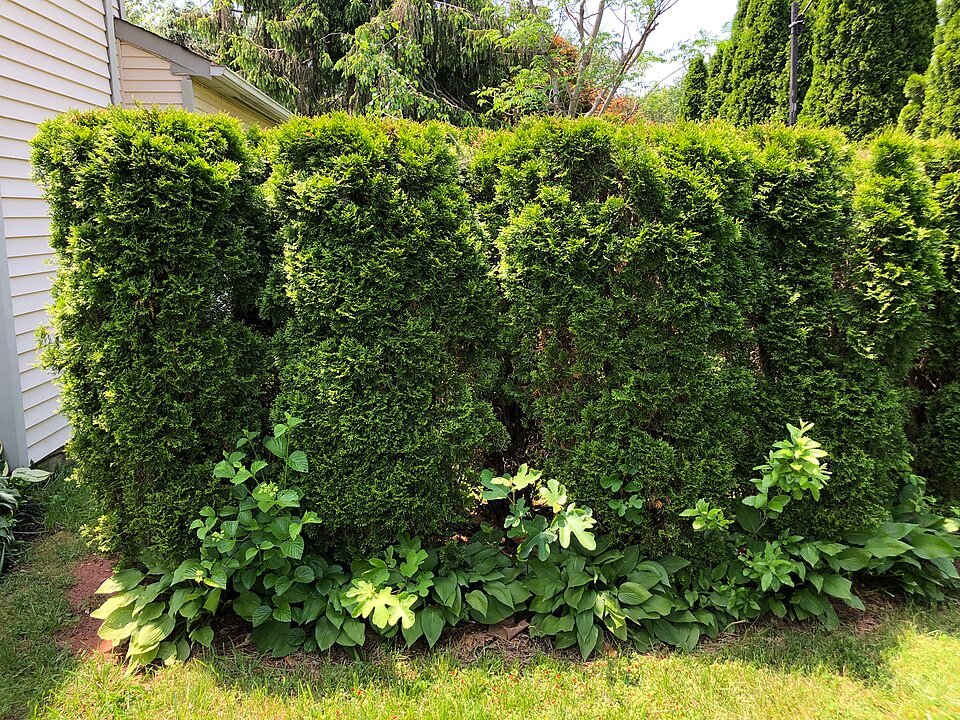
Is Emerald Green Arborvitae right for my garden?
Answer four quick questions. Your answers stay on this device.
Is it right for your yard?
Emerald Green suits narrow side yards and formal hedges because it grows tall without getting wide. It is slower than Green Giant arborvitae, a larger hybrid that reaches far greater height and width. If you need privacy fast and have space, Green Giant is quicker. If you need a slim, neat screen, Emerald Green fits better.
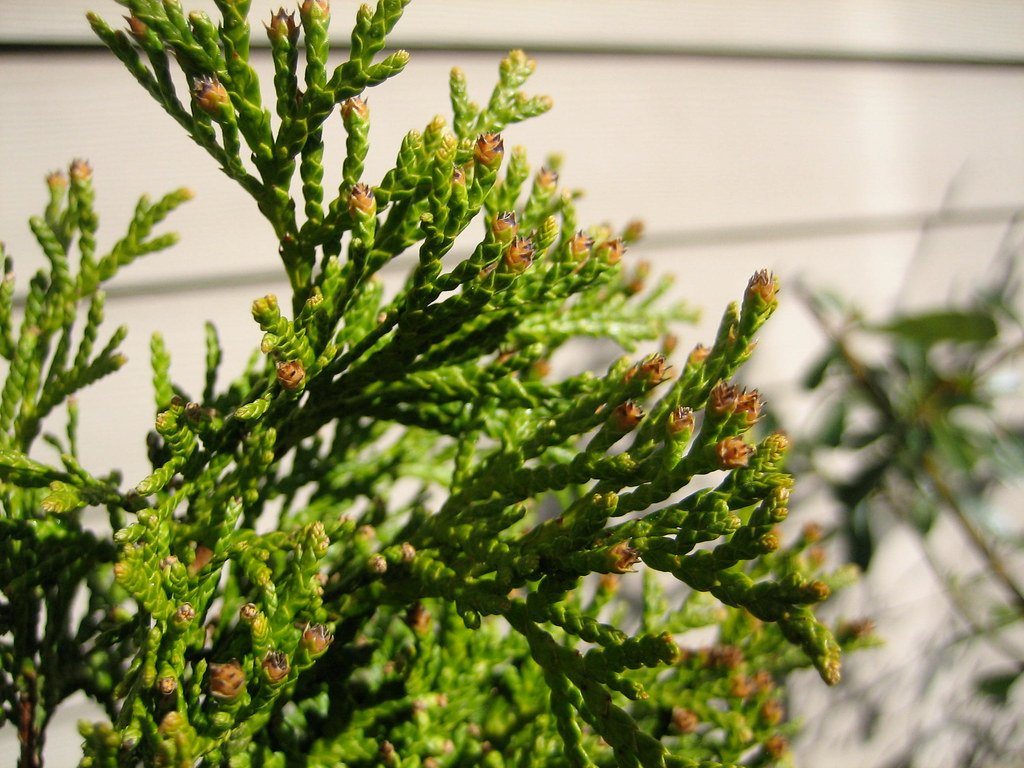
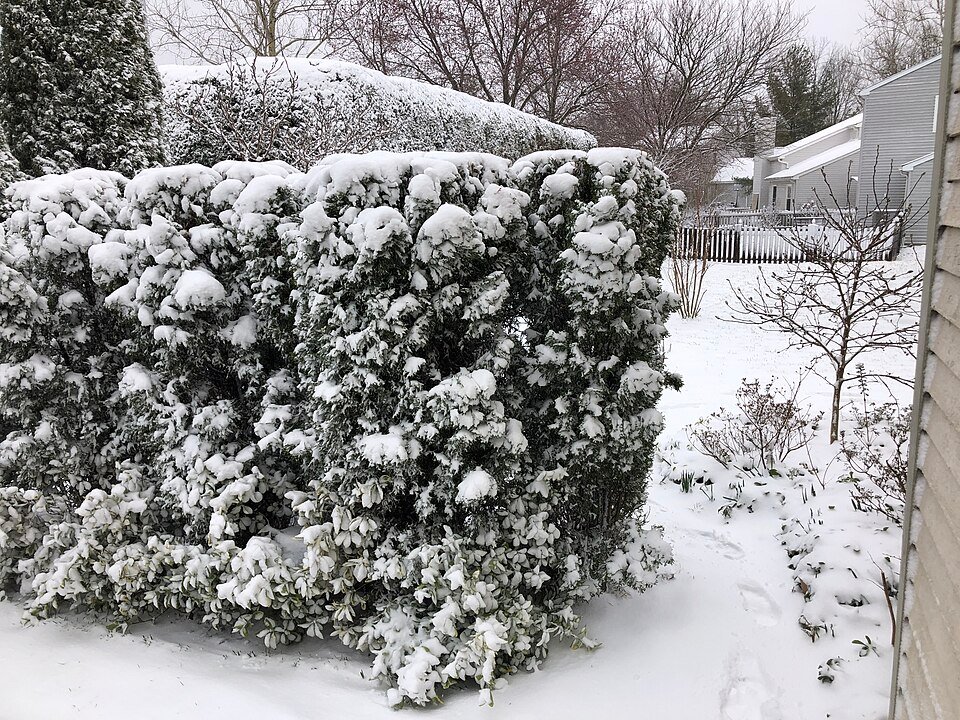
Planting a hedge
Plant in spring or early fall. Set plants 3 to 4 feet apart, center to center, for a solid wall in a few years. Dig each hole twice as wide as the root ball, set the top of the root ball level with the soil, backfill and water deeply.
- Water for two yearsDeep weekly watering during the first two summers prevents browning.
- MulchTwo to three inches of mulch keeps roots cool and moist. Keep it off the trunk.
- Tie up for snowHeavy snow can splay the stems. Loosely wrap young plants before winter.
- Protect from deerDeer eat arborvitae in winter. Use netting or repellent where deer are common.
Common problems
- Winter burnDry winter wind browns foliage. Water well before the ground freezes.
- BagwormsPick off the small hanging bags in winter or spring before they hatch.
- Spider mitesFine speckling in hot, dry weather. Hose down the foliage.
- Inner browningOlder inner needles shed every fall. That is normal.
Growing calendar
Pick your USDA hardiness zone. Dates shift from your zone's average last spring frost, so treat them as a starting point and adjust for your local forecast.
My planting dates for zone 6
Based on an average last frost around . Change your zone in the calendar above and these dates update.
Works with Apple Calendar, Google Calendar and Outlook. You get a reminder the day before each step.
Problems and solutions
Most Emerald Green Arborvitae problems come down to a few causes. Find the symptom you see, then follow the fix.
Brown foliage after winter
Likely causeWinter burn from dry wind
What to doWater deeply before the ground freezes and use a burlap screen for young plants.
Small cone-shaped bags hanging on branches
Likely causeBagworms
What to doHand-pick bags in winter or spring before they hatch.
Bottom stripped bare
Likely causeDeer browsing
What to doUse netting or repellent in winter.
My season checklist
Tick off each step as you go. The dates follow your zone, and your ticks are saved on this device, so you can come back all season.
Frequently asked questions
How fast does Emerald Green arborvitae grow?
About 6 to 12 inches a year once established.
How far apart should I plant Emerald Green arborvitae?
3 to 4 feet apart, center to center, for a solid hedge.
How tall does Emerald Green arborvitae get?
Usually 10 to 15 feet tall and 3 to 4 feet wide.
Why is my arborvitae turning brown?
Common causes are drought in the first years, winter wind burn and normal fall shedding of inner needles.
Do deer eat Emerald Green arborvitae?
Yes, especially in winter. Protect plants where deer are common.
My garden notes
Write down the variety you planted, the date, where it grows and how it did. Your notes stay private on this device and print on your care card.
More in this guide
This page is part of our complete trees and privacy guide. Evergreen screens, patio olive trees and fast-growing foliage for arrangements.
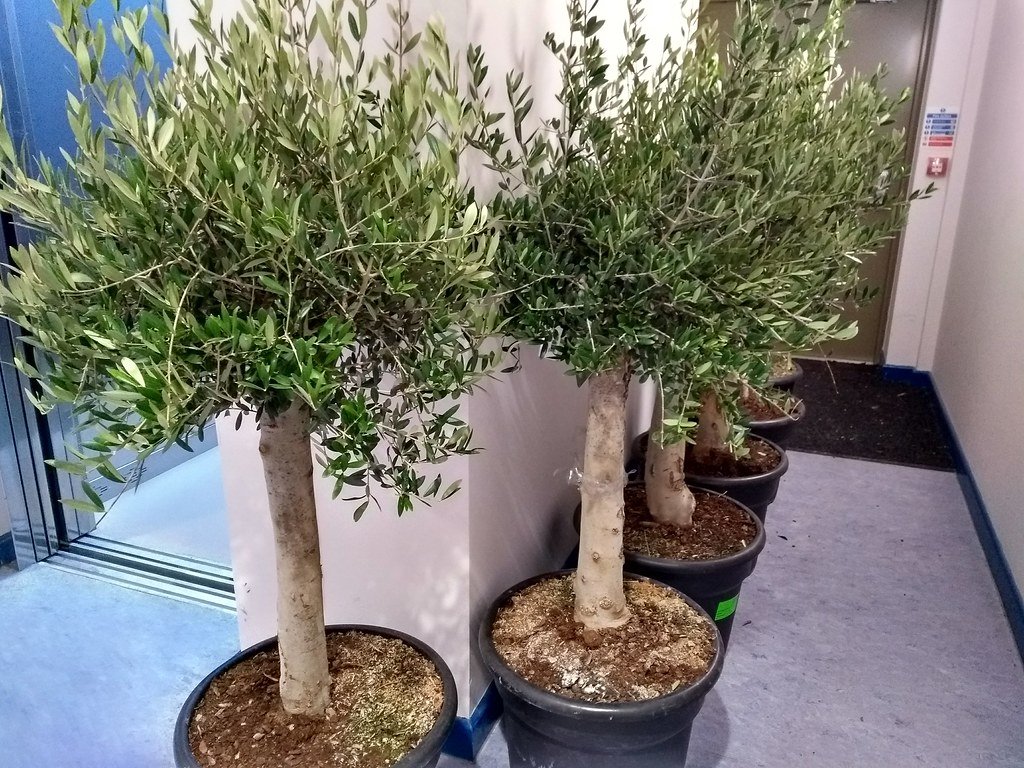 Arbequina Olive Tree
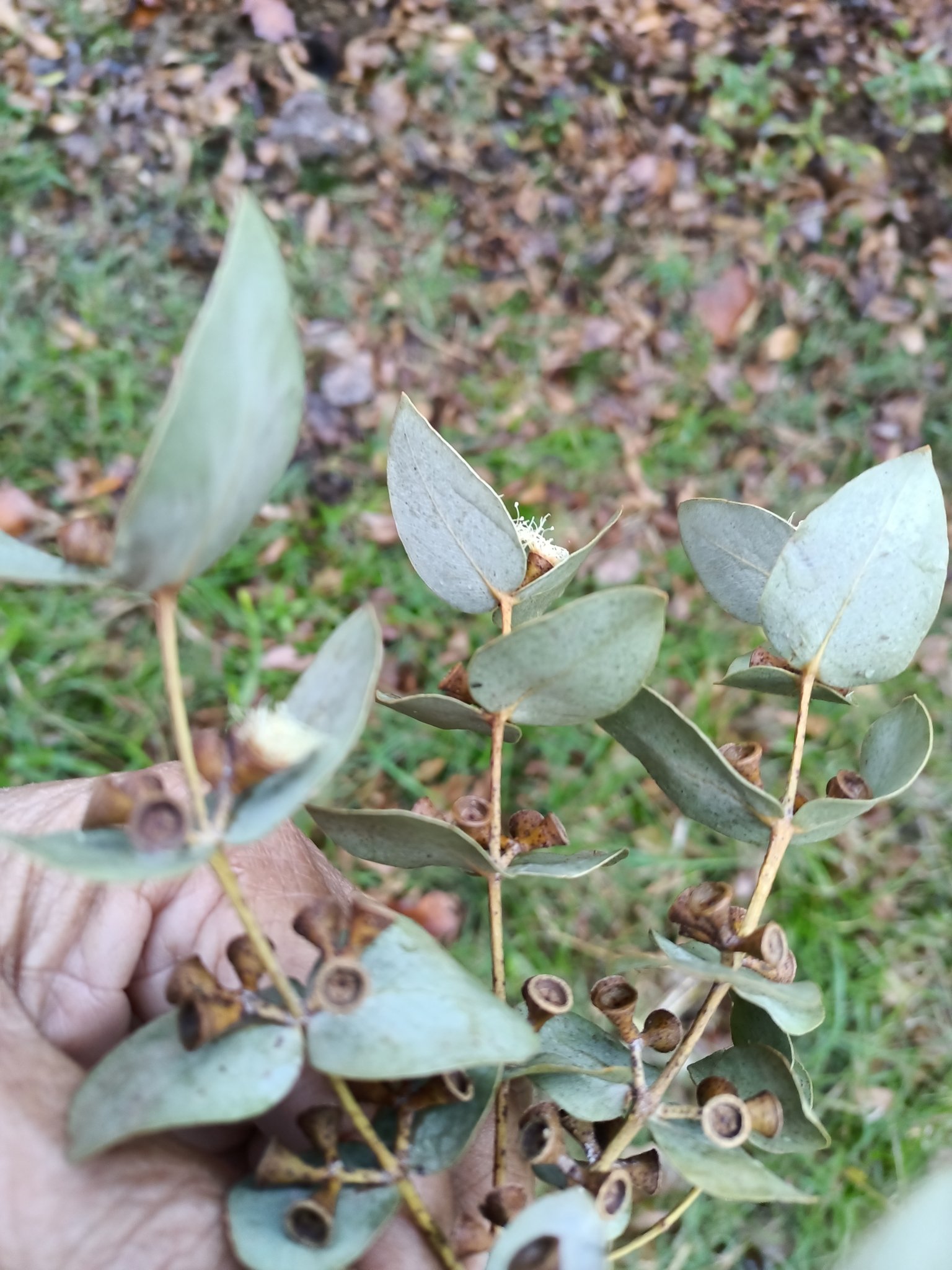 Silver Dollar Eucalyptus
Sources
- Missouri Botanical Garden Plant Finder: Thuja occidentalis
- University of Minnesota Extension