Compare at a glance
The 1 plant we cover in depth, side by side. Tap a name for the full guide, with a calendar for your zone and a printable care card.
| Plant | Zones | Height | Sun | Traffic |
|---|---|---|---|---|
| Creeping Thyme | USDA 4 to 9 | 2 to 4 in (5 to 10 cm) | Full sun, 6+ hours | Light foot traffic |
Choose by light and foot traffic
No single ground cover suits every spot. Start with two questions: how many hours of sun does the area get, and will people walk on it?
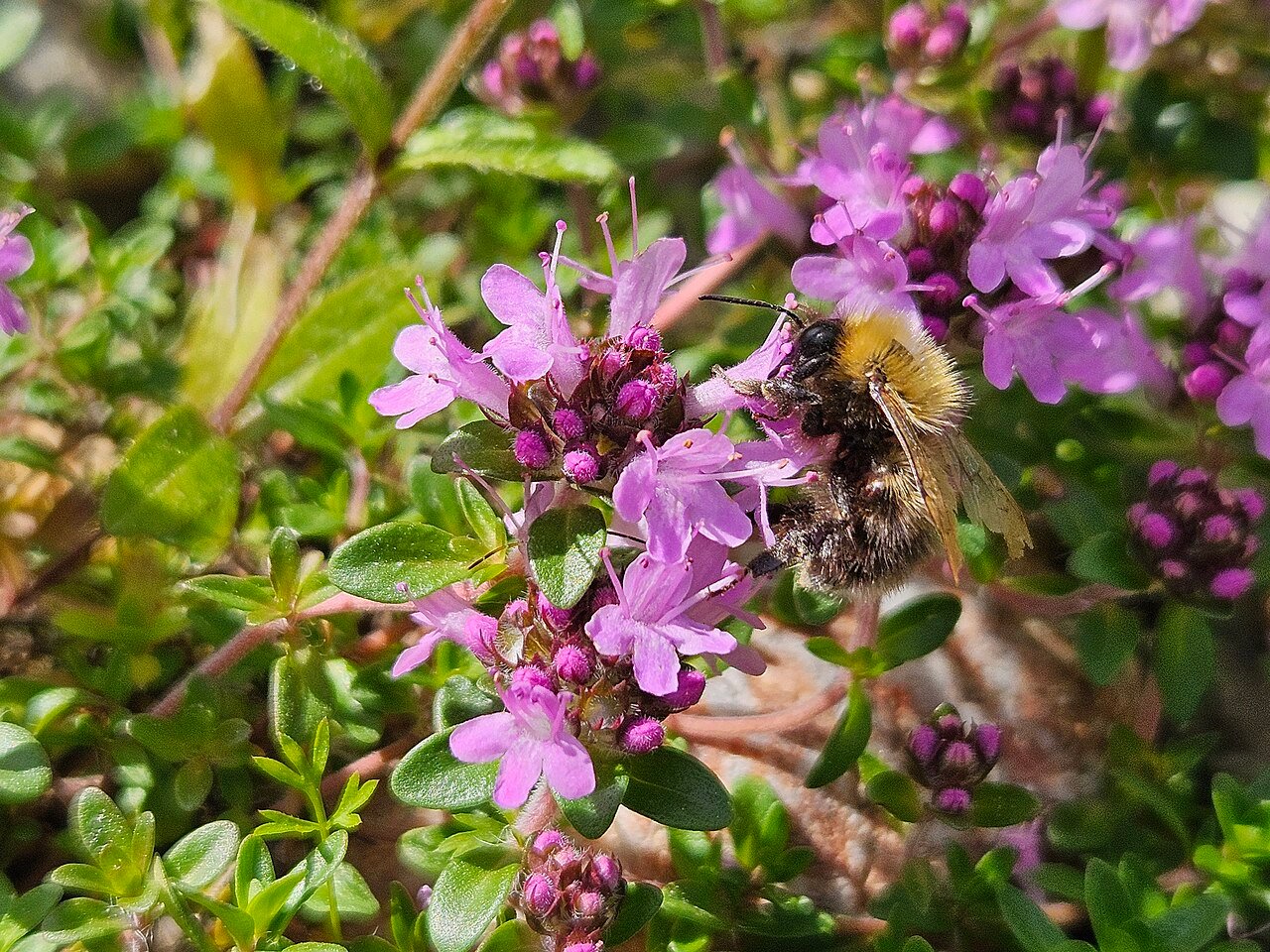
- Sun, dry, light trafficCreeping thyme: fragrant, 2 to 4 in tall, loved by bees.
- Sun to part shade, regular trafficWhite clover: stays green in drought and feeds the soil with nitrogen.
- Hot, dry, no trafficSedums: succulent and very drought tolerant.
- ShadeAjuga or sweet woodruff. Both spread quickly, so give them room.
How to replace a lawn
The least back-breaking method is smothering. Mow the grass short, cover it with overlapping cardboard, wet it well and top it with 3 to 4 inches of compost or mulch. After a few months the grass is dead and you can plant straight through.
Faster options are renting a sod cutter or digging out small areas by hand. Avoid tilling, which brings buried weed seed to the surface.
Spacing and planting
Plugs and small plants fill in faster when planted close together. For creeping thyme, 6 to 12 inches apart gives a closed mat in one to two seasons. Plant in spring or early fall, water every few days until new growth starts, then taper off.
The first year
Weeds are the main job in year one, before the mat closes. Hand-weed little and often, and keep a thin mulch between plants. From the second year most ground covers need only a trim after flowering.
Our ground covers guides
Each guide has quick facts, a planting calendar for your USDA zone, a "right for my garden?" check, problems and fixes, and a care card to print.
Coming soon in this guide
- Clover lawn: pros, cons and how to sow
- Red creeping thyme
- Ground covers for shade
Frequently asked questions
What is the best ground cover to replace grass?
For sunny, dry spots with light foot traffic, creeping thyme. For more foot traffic and part shade, white clover or a clover and grass mix.
Can you walk on ground cover plants?
Creeping thyme and clover take light to moderate foot traffic. For a path you use daily, set stepping stones and plant between them.
How long does ground cover take to fill in?
Most fill in within one to two growing seasons when plugs are set 6 to 12 inches apart.
Will ground covers stop weeds?
Once the mat has closed, it shades out most weeds. In the first year you still need to weed by hand.