Is Creeping Thyme right for my garden?
Answer four quick questions. Your answers stay on this device.
What gardeners mean by creeping thyme
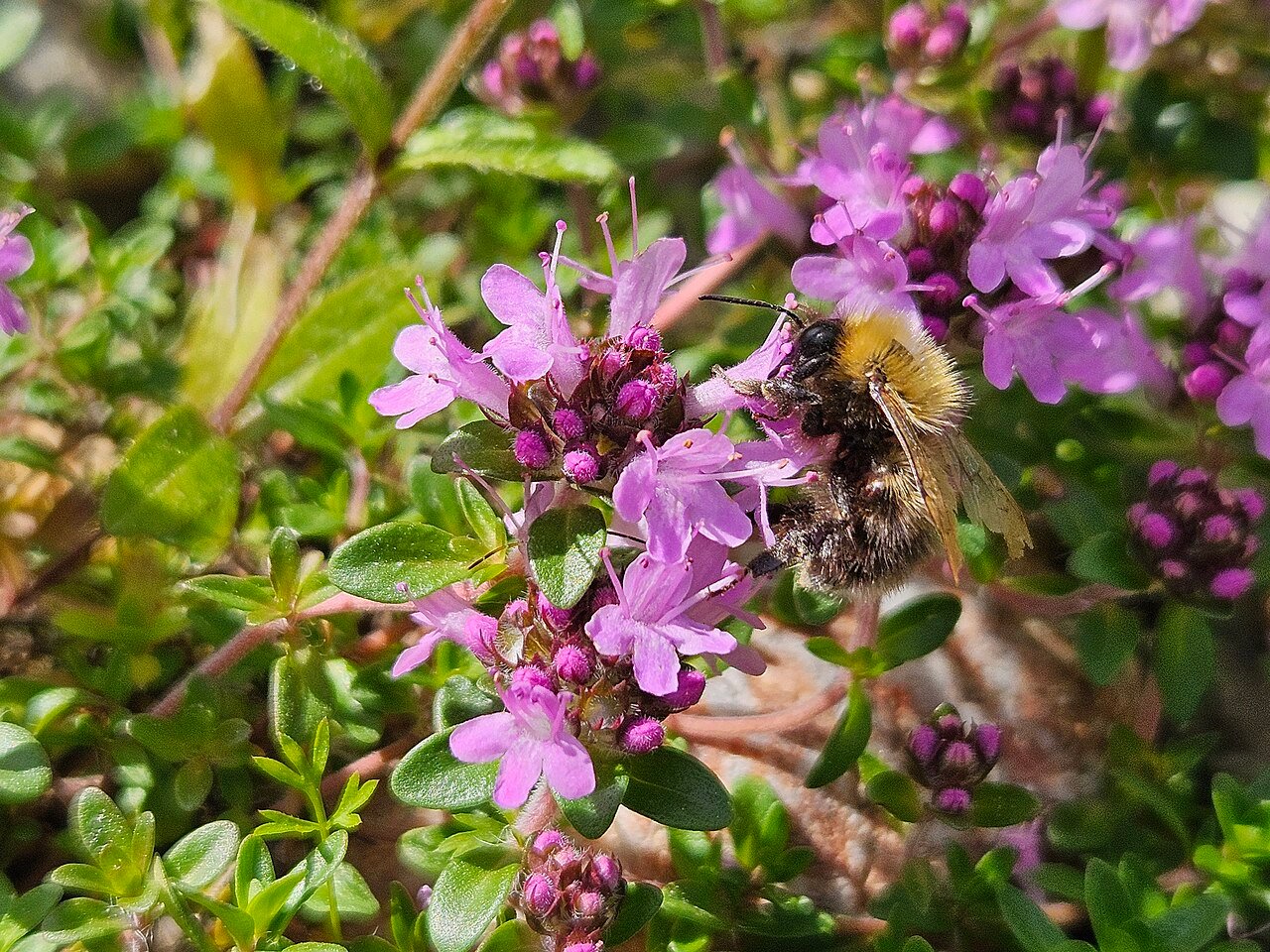
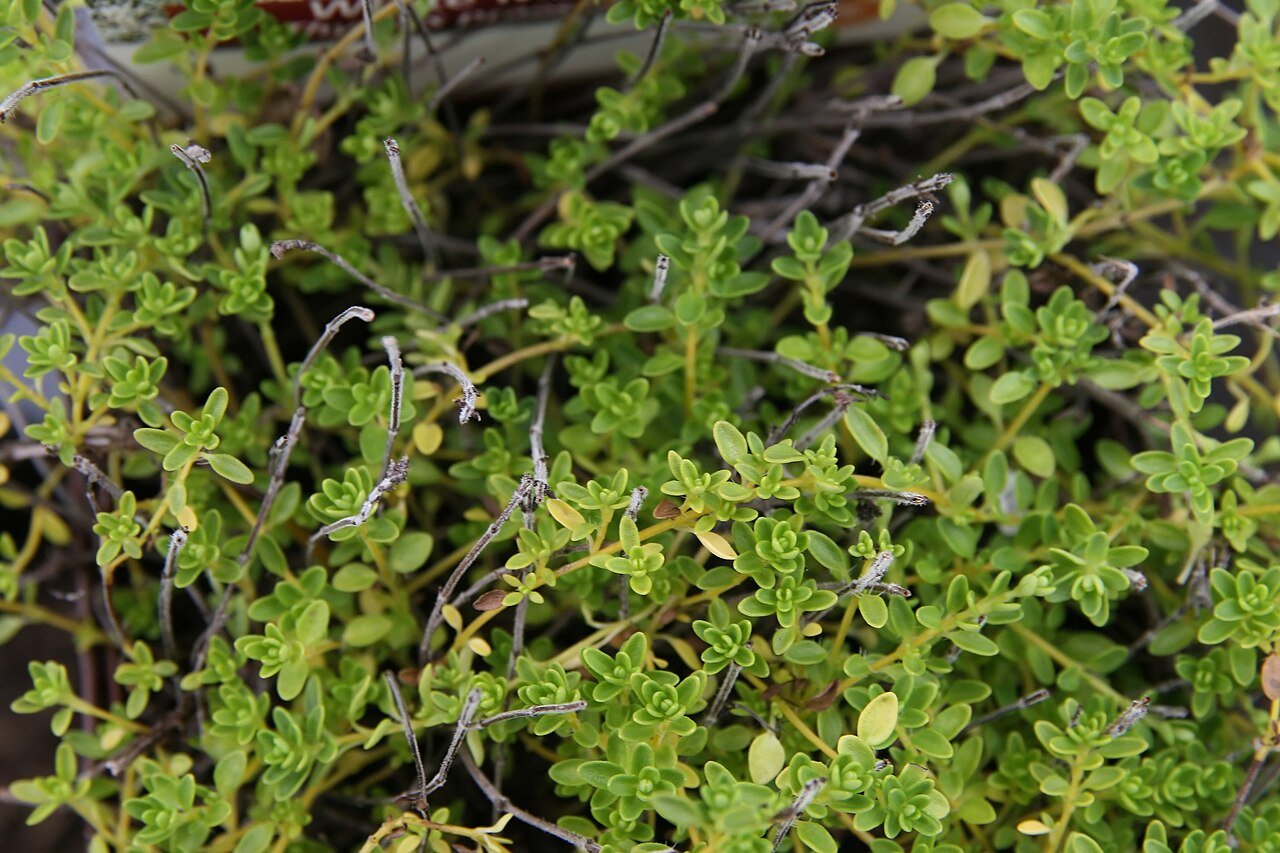
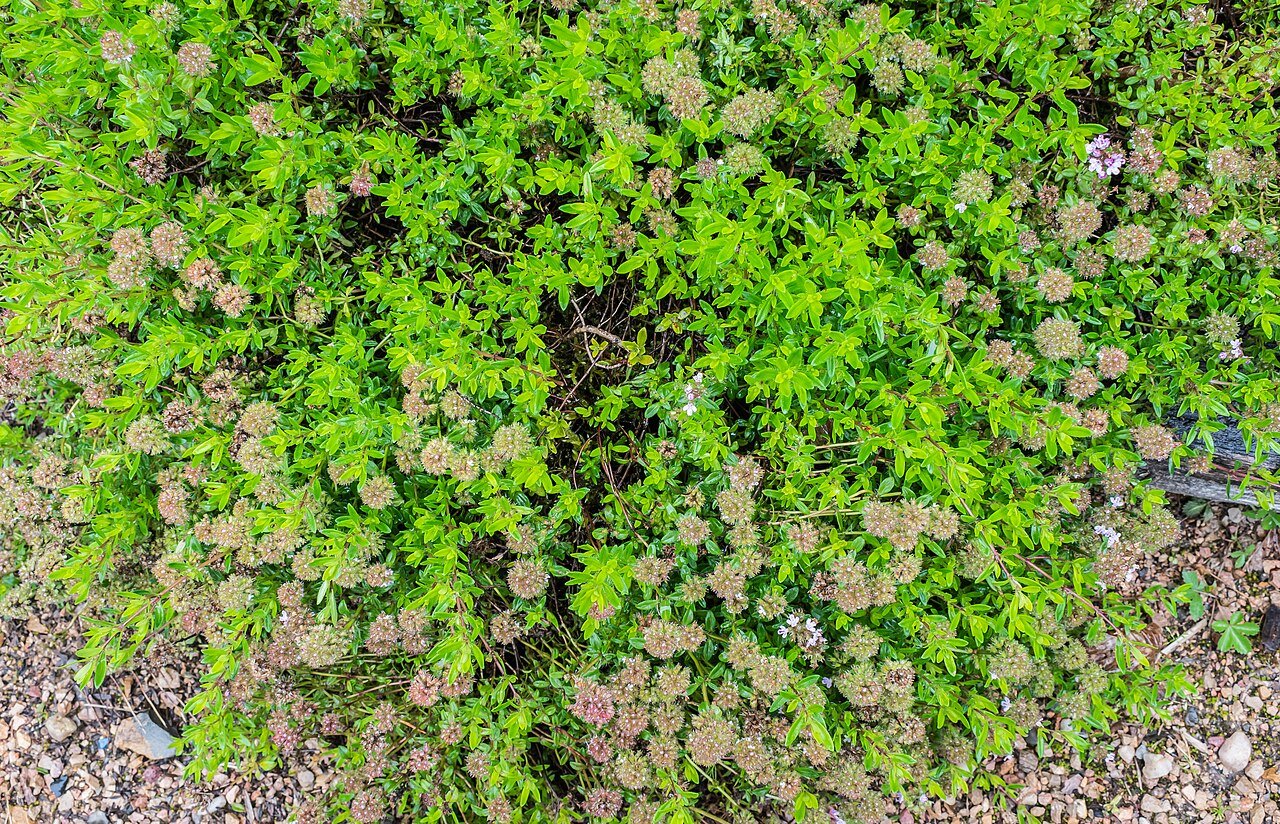
"Creeping thyme" is a garden name, not one species. Seed packets labeled creeping thyme are usually Thymus serpyllum (wild or Breckland thyme). Nurseries also sell Thymus praecox, often called mother-of-thyme, and its named cultivars. Both stay low and root as they spread, so they behave the same way in a garden.
The leaves are edible and smell of thyme, but the flavor is milder than common culinary thyme (Thymus vulgaris), which grows as an upright shrublet rather than a mat.
Popular varieties
- Red creeping thyme ('Coccineus')magenta-red flowers, the most common choice for a colorful lawn alternative.
- White creeping thyme ('Albiflorus')white flowers on bright green foliage.
- Elfin thymeone of the tightest, flattest forms, good between stepping stones.
- Pink Chintzsoft salmon-pink flowers and gray-green, slightly fuzzy leaves.
How to grow creeping thyme from seed
The seed is tiny. Press it onto the surface of moist seed-starting mix and do not cover it, because it needs light to germinate. At 65 to 70°F it usually sprouts in two to four weeks. Start seeds indoors about 8 to 10 weeks before your last frost, then plant seedlings out once frost has passed.
For a ground cover, nursery plugs establish faster than seed. Space plugs 6 to 12 inches apart; closer spacing fills in during the first season, wider spacing takes a year or two.
Planting and care
- Sun and drainage matter most.In shade it thins out, and in heavy wet clay the roots rot. Mix in grit or sand, or plant on a slope or between stones.
- Waterregularly for the first season while roots establish. After that, water only in long dry spells.
- Skip fertilizer.Rich soil makes the plants leggy and less fragrant.
- Trim lightly after floweringto keep the mat dense. Remove old woody patches in spring.
- Weed early.Until the mat closes, hand-weed so grasses do not take over.
Growing calendar
Pick your USDA hardiness zone. Dates shift from your zone's average last spring frost, so treat them as a starting point and adjust for your local forecast.
My planting dates for zone 6
Based on an average last frost around . Change your zone in the calendar above and these dates update.
Works with Apple Calendar, Google Calendar and Outlook. You get a reminder the day before each step.
Problems and solutions
Most Creeping Thyme problems come down to a few causes. Find the symptom you see, then follow the fix.
Brown, dead patches in the middle
Likely causeWet soil or heavy clay rotting the roots
What to doImprove drainage with grit, water less, and replant bare spots with divisions from healthy edges.
Plants thin and leggy
Likely causeToo much shade or rich soil
What to doMove to full sun and stop feeding. Trim after bloom to thicken the mat.
Grass and weeds growing through
Likely causeMat not yet closed
What to doHand-weed often in the first year and plant plugs closer together.
My season checklist
Tick off each step as you go. The dates follow your zone, and your ticks are saved on this device, so you can come back all season.
Frequently asked questions
Does creeping thyme come back every year?
Yes. It is a hardy perennial in USDA zones 4 to 9 and keeps its leaves through mild winters.
How fast does creeping thyme spread?
Each plant spreads about 12 to 18 inches. Plugs set 6 to 12 inches apart usually join up within one or two growing seasons.
Can you walk on creeping thyme?
It tolerates light, occasional foot traffic. Daily paths and play areas wear it out, so use stepping stones there.
Can you grow creeping thyme from seed?
Yes. Sow on the surface without covering, because the seed needs light, and keep it moist at 65 to 70°F. Germination takes about two to four weeks.
Is creeping thyme edible?
The leaves are edible and can be used like thyme, though the flavor is milder than culinary thyme.
Will creeping thyme grow in shade?
It needs full sun to stay dense and flower well. In shade, choose a shade-tolerant ground cover instead.
My garden notes
Write down the variety you planted, the date, where it grows and how it did. Your notes stay private on this device and print on your care card.
More in this guide
This page is part of our complete ground covers guide. Low, flowering carpets that replace thirsty lawn and fill gaps between stones.
 Black-Eyed Susan Seeds
 California Poppy Seeds
 Little Lime Hydrangea
Sources
- Missouri Botanical Garden Plant Finder: Thymus serpyllum and T. praecox
- NC State Extension Gardener Plant Toolbox