Raised garden beds: the right height and size
A raised bed brings the soil closer to your hands. At 24 to 30 inches high you can garden standing, or from a stool or a wheelchair, with far less bending. Lower beds of 8 to 12 inches still help: the soil warms earlier in spring, drains better and is easier to dig than ground soil.
Width matters as much as height. Most people can comfortably reach about 2 feet in, so keep a bed no wider than 4 feet if you can reach it from both sides, and about 2 feet if it stands against a fence or wall. Length is up to you.
Leave paths at least 3 feet wide for a walker or a garden cart, and about 5 feet where a wheelchair needs to turn. A firm surface such as pavers, packed gravel or wood chips is safer than grass, which gets slippery when wet.
- Height24 to 30 in to garden standing or seated. 8 to 12 in for a simple bed.
- WidthUp to 4 ft if reachable from both sides, 2 ft against a wall.
- MaterialCedar, untreated wood, metal or stone. Avoid old railroad ties, which contain creosote.
- SoilAt least 12 in of good soil: a raised-bed blend, or roughly equal parts topsoil and compost.
Container gardening: a garden at table height
Pots are the easiest garden of all. You can set them on a step, a table or a plant stand, move them into the sun, and start small. Choose the largest pot you can manage, because big pots hold more water and need watering less often. For most flowers and vegetables, 12 to 18 inches across is a good minimum.
Use bagged potting mix, never garden soil, which packs down in pots. Make sure every pot has drainage holes. Put heavy pots on a wheeled plant caddy before you fill them, so you can move them without lifting.
- Self-watering potsA water reservoir in the base stretches watering to every few days.
- Plant caddiesWheels under big pots save your back.
- Light potsPlastic, fiberglass or fabric pots weigh far less than clay or concrete.
Tools that are kind to hands, knees and backs
The right tools make a bigger difference than any plant choice. Look for long handles so you can work standing, thick padded grips that are easier on stiff fingers, and light materials. A garden kneeler that flips into a seat, with side handles to push up on, protects your knees and helps you stand back up.
Move heavy loads on wheels. A garden cart or wagon with two or four wheels is more stable than a one-wheel barrow. Buy compost and mulch in smaller bags, or ask for help with big deliveries.
- Kneeler seatKneel on one side, sit on the other, and use the handles to get up.
- Garden cartFour wheels are steadier than one.
- Ratchet prunersCut thick stems in several small squeezes instead of one hard one.
Watering without the heavy lifting
A full watering can weighs more than 15 pounds. A soaker hose or drip line on an inexpensive battery timer waters beds and pots for you, early in the morning when less water is lost. Water deeply and less often, so roots grow down.
A 2 to 3 inch layer of mulch, such as shredded bark or straw, keeps soil moist longer and stops most weeds. That means less watering and much less weeding.
Garden safely and comfortably
Work in the cooler hours of the morning or evening, wear a wide-brimmed hat and sunscreen, and drink water before you feel thirsty. Take short breaks and change tasks often, rather than kneeling or bending for a long stretch.
Lift with your legs and keep loads close to your body. Wear gloves, because small cuts in garden soil can lead to infection, and ask your doctor whether your tetanus booster is up to date: the CDC recommends one every 10 years for adults.
Low-maintenance plants that grow well in pots
These plants are marked "Easy on the knees" across the site. They grow in containers or raised beds and need little care beyond watering.
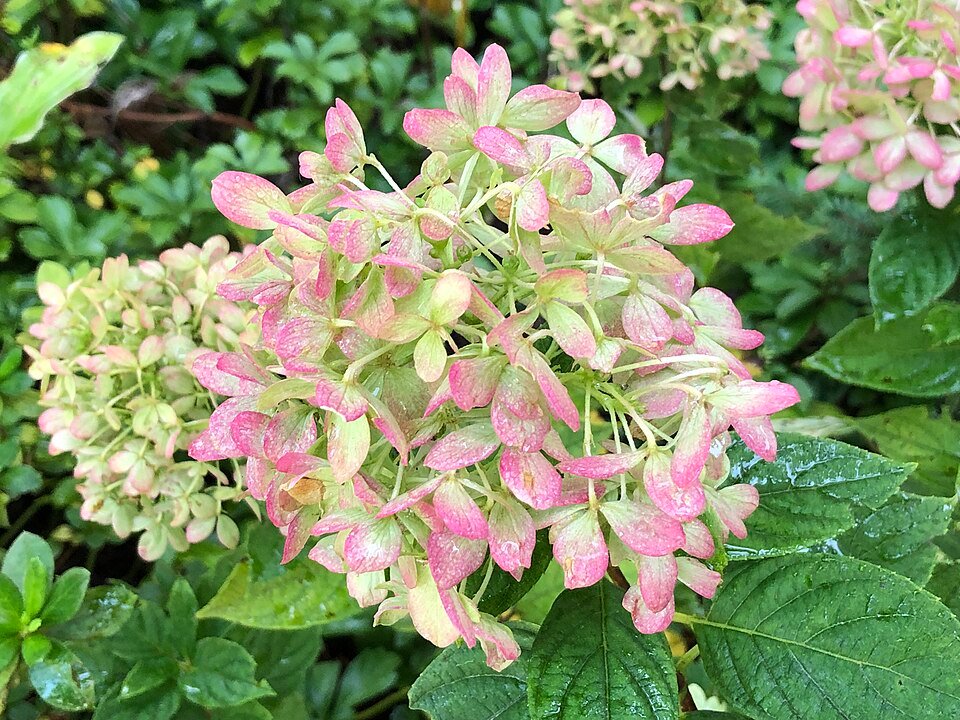 Little Lime Hydrangea
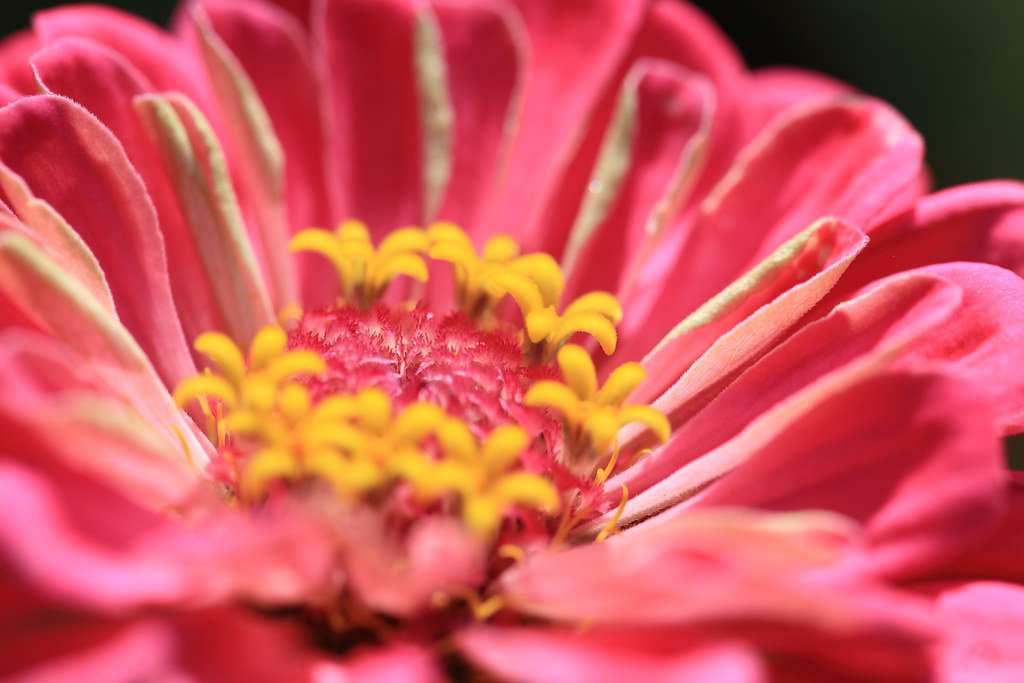 Zinnia Seeds
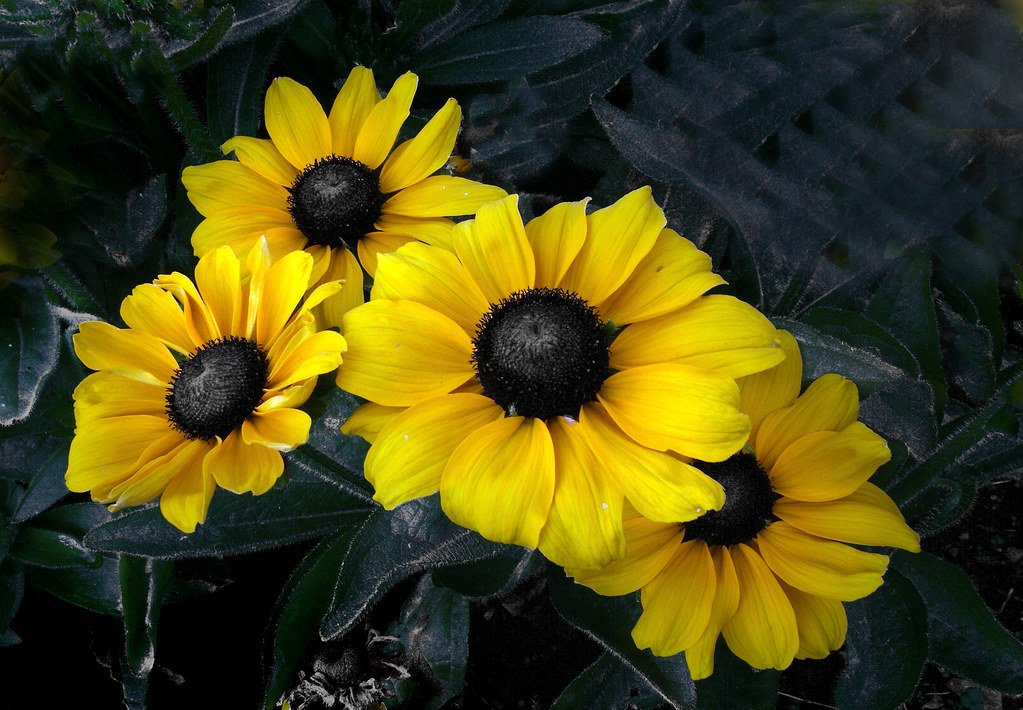 Black-Eyed Susan Seeds
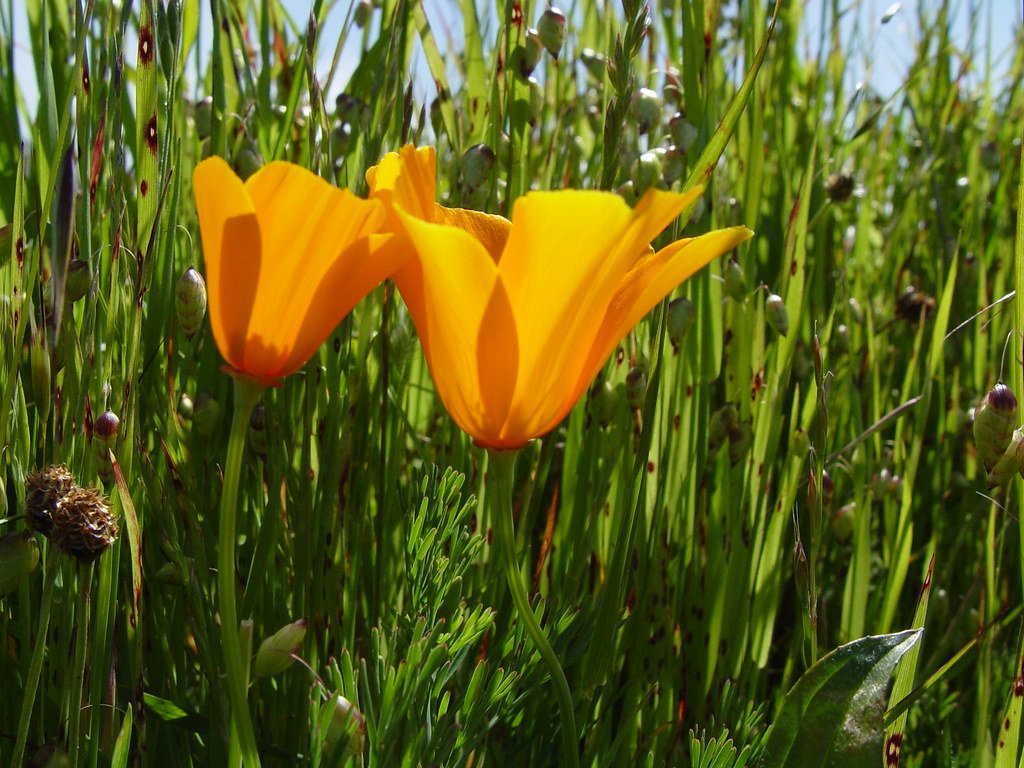 California Poppy Seeds
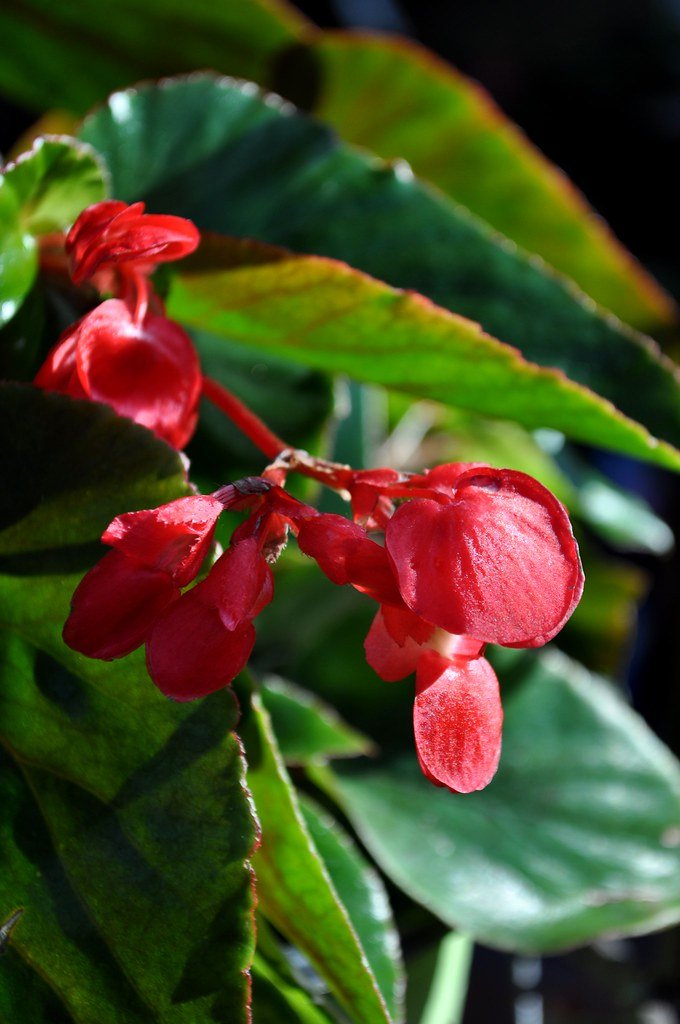 Dragon Wing Begonia
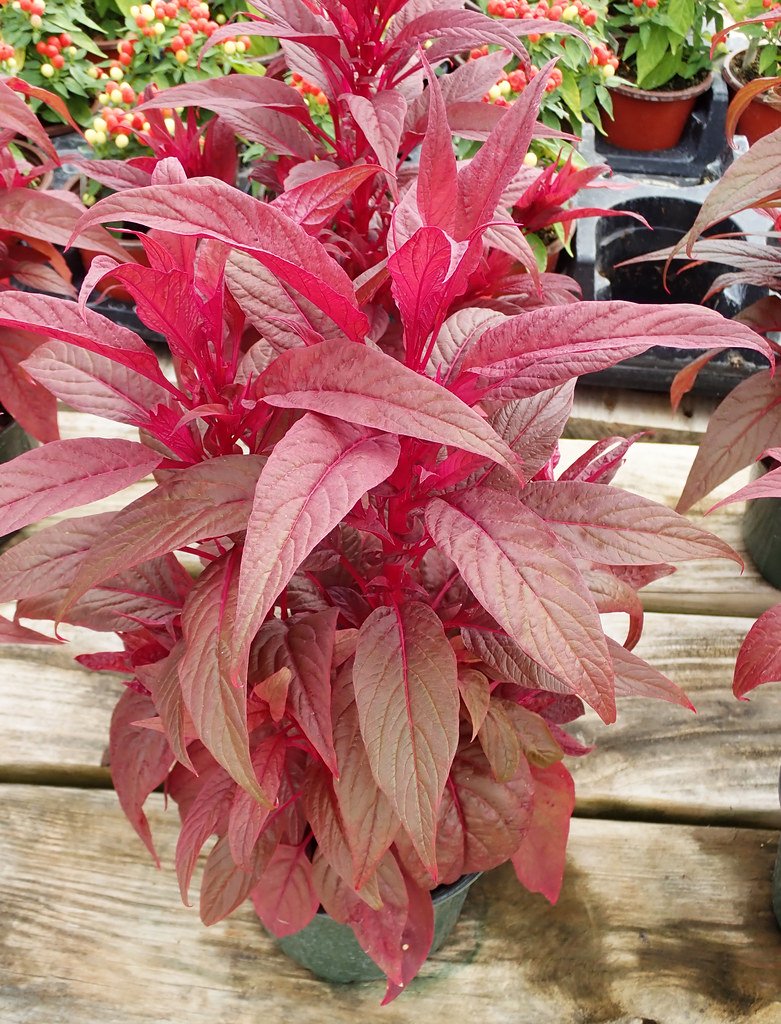 Dragon's Breath Plant
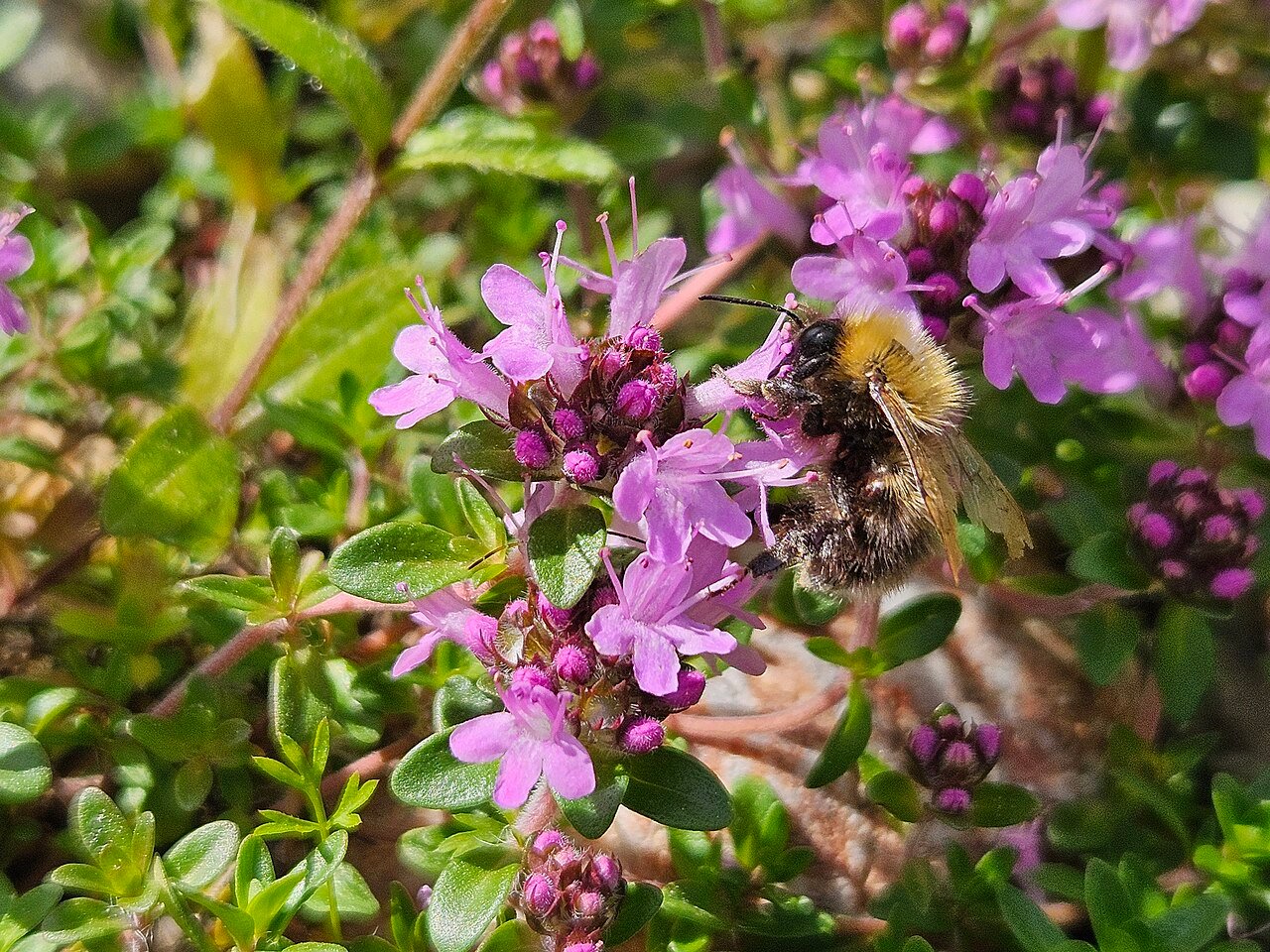 Creeping Thyme
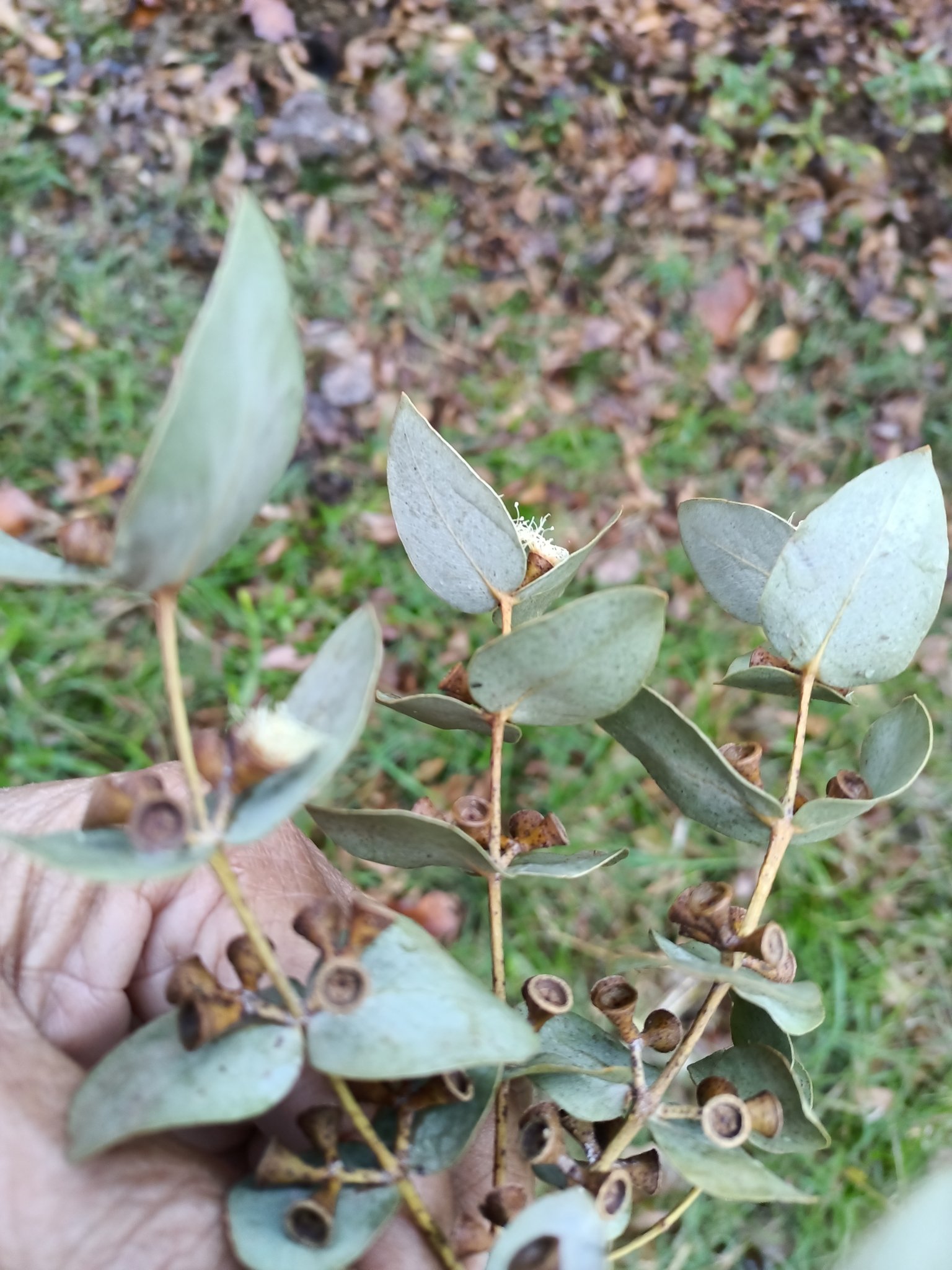 Silver Dollar Eucalyptus
Coming soon in this guide
- Raised garden beds for seniors: plans and kits compared
- Container vegetable gardening
- Low-maintenance perennials
- Garden tools for arthritis
Frequently asked questions
How high should a raised garden bed be for seniors?
About 24 to 30 inches high lets most people garden standing or seated with little bending. A bed for a wheelchair user is usually about 24 to 30 inches high with knee space or a narrow width so the middle is in reach.
How deep does the soil in a raised bed need to be?
At least 12 inches suits most flowers and vegetables. Tall beds can be filled at the bottom with logs or branches to save soil, with 12 to 18 inches of good soil on top.
What is the easiest way to water a garden?
A soaker hose or drip line on a battery timer. It waters at soil level, wastes less water than a sprinkler and needs no carrying.
What are the easiest plants for a beginner?
Zinnias, black-eyed Susan, California poppies and Dragon Wing begonias are forgiving and bloom for months. Little Lime hydrangea is an easy shrub for a large pot.