The difference in one minute
| Annuals | Perennials | |
|---|---|---|
| Life cycle | Grow, flower, set seed and die in one season | Live 3 years or more; tops often die back in winter and regrow in spring |
| Bloom | Non-stop, from early summer to frost | Usually 2 to 6 weeks a year, at a set season |
| Cost over time | Buy or sow every year | Pay once; many can be divided for free plants |
| First year | Full show the first summer | "Sleep, creep, leap": small year one, full size by year three |
| Best for | Pots, quick color, filling gaps | Borders, low-maintenance beds, pollinator gardens |
Most gardeners mix both: perennials as the backbone of a bed, annuals for color all summer.
Biennials and tender perennials
Biennials such as foxglove and hollyhock grow leaves the first year, then flower, set seed and die in the second. Because they self-sow, a patch often looks perennial. Tender perennials such as dahlias, geraniums and many begonias are perennial in their native warm climates but die at the first hard frost, so most of the US grows them as annuals or brings them indoors. Whether a plant "comes back" depends on your USDA zone.
Does it come back? Common plants
| Plant | Type | Note |
|---|---|---|
| Zinnia | Annual | Frost kills it; often self-sows. |
| Marigold | Annual | Sow again each spring. |
| Petunia | Annual (tender perennial in zones 9 to 11) | Grown as an annual almost everywhere. |
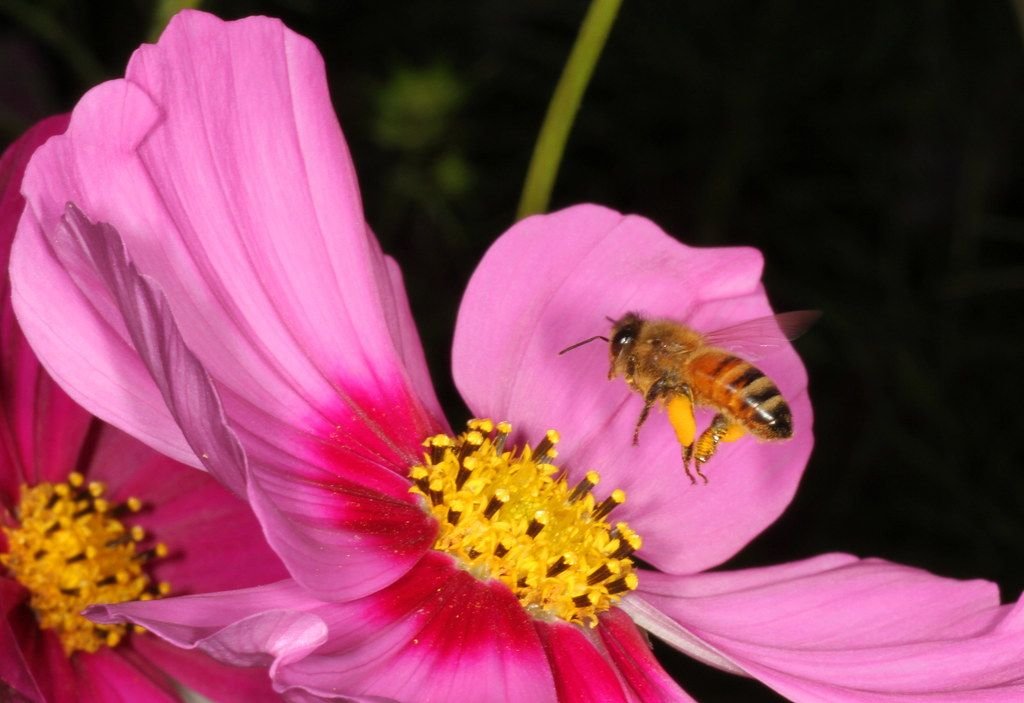
| Cosmos | Annual | Often self-sows. |
| Sunflower | Annual (some perennial species) | Common sunflowers die after setting seed. |
| Dahlia | Tender perennial | Comes back in zones 8 to 11; dig tubers elsewhere. |
| Begonia | Tender perennial | Grown as an annual outdoors; can overwinter indoors. |
| Geranium (Pelargonium) | Tender perennial | Bring indoors before frost. True hardy geraniums (Geranium) are perennials. |
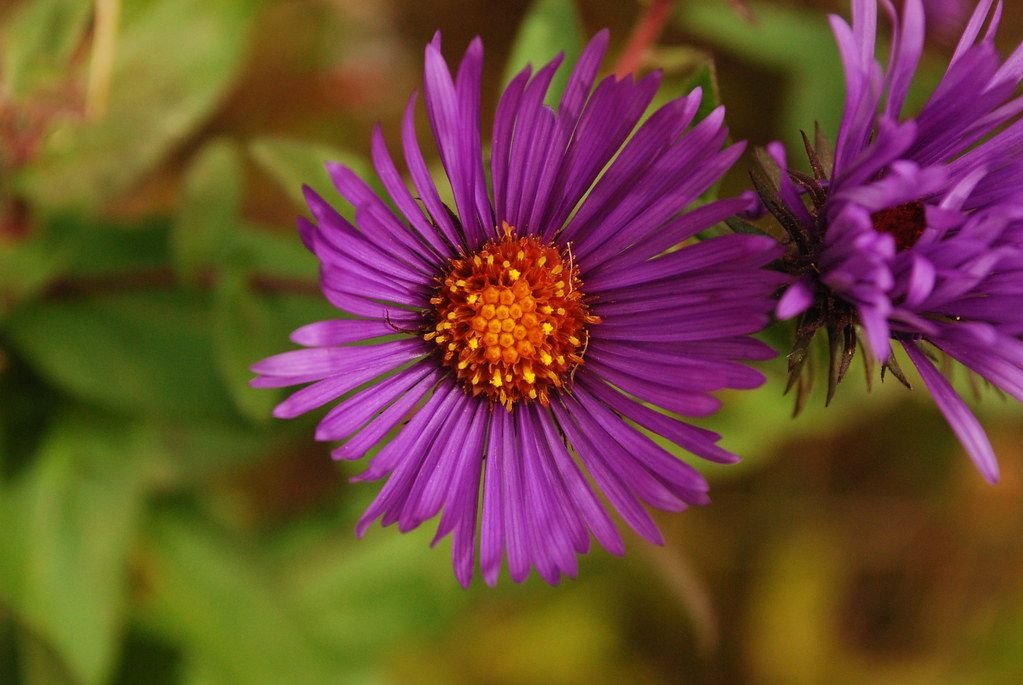
| Mum (chrysanthemum) | Perennial (zones 5 to 9) | Garden mums planted in spring come back best. |
| Lavender | Perennial (zones 5 to 9 for English lavender) | Needs sharp drainage to survive winter. |
| Black-eyed Susan | Short-lived perennial or biennial | Self-sows to keep the patch going. |
| Coneflower | Perennial (zones 3 to 9) | Long-lived and drought tolerant. |
| Hosta | Perennial (zones 3 to 9) | Dies back to the ground in fall. |
| Peony | Perennial (zones 3 to 8) | Can live for 50 years or more. |
| Foxglove | Biennial | Leaves the first year, flowers the second; self-sows. |
| Hollyhock | Biennial or short-lived perennial | Self-sows freely. |
| Snapdragon | Annual (short-lived perennial in zones 7 to 10) | May survive mild winters. |
| Creeping thyme | Perennial (zones 4 to 9) | Evergreen ground cover. |
How to tell from the plant tag
- Look for the words "annual" or "perennial", and the hardiness zones ("zones 4 to 9"). If your zone is inside the range, it should come back.
- Tags that say "grown as an annual" mean a tender perennial.
- Plants sold in six-packs in spring are usually annuals; perennials usually come in single quart or gallon pots.
Frequently asked questions
What is the difference between annual and perennial?
Annuals complete their life in one season and must be replanted every year. Perennials live for three years or more and come back each spring.
Do perennials come back every year?
Yes, if they are hardy in your USDA zone. Their tops may die back in winter, but the roots regrow in spring.
Are dahlias perennials?
Dahlias are tender perennials. They come back in zones 8 to 11; in colder zones dig the tubers in fall and replant in spring.
Are zinnias perennials?
No, zinnias are annuals. They often drop seed that sprouts the next spring.
Are mums perennials?
Hardy garden mums are perennials in zones 5 to 9, best planted in spring. Florist mums often don't survive winter.
Is lavender a perennial?
Yes. English lavender is a perennial in zones 5 to 9 if the soil drains well in winter.