Compare at a glance
The 5 plants we cover in depth, side by side. Tap a name for the full guide, with a calendar for your zone and a printable care card.
| Plant | Days | Fruit | Spacing | Seed saving |
|---|---|---|---|---|
| Cherokee Purple Tomato | About 75 to 80 from transplant | 8 to 12 oz beefsteak | 24 to 36 in | Yes, comes true from seed |
| Black Cherry Tomato | About 65 to 75 from transplant | 1 in round cherries | 24 to 36 in | Yes, comes true from seed |
| Black Diamond Watermelon | About 90 from sowing | 30 to 50 lb, round to oblong | Hills 6 to 8 ft apart | Yes, comes true from seed |
| Armenian Cucumber | About 60 to 70 | Pale green, ribbed | 12 to 18 in on a trellis | – |
| Cinderella Pumpkin | About 95 to 110 | 10 to 20 lb, flat and ribbed | Hills 6 to 8 ft apart | – |
What "heirloom" really means
An heirloom is an open-pollinated variety that has been grown and passed down for generations; many seed companies use a cutoff of about 50 years, or varieties introduced before the 1950s. Open-pollinated means the seed you save grows into plants like the parent, as long as it was not crossed with another variety.
Hybrids (often labeled F1) can be vigorous and disease resistant, but their seed does not come true. Many gardeners grow both.
The best heirloom tomatoes to start with
Cherokee Purple is a dusky, rich-tasting beefsteak that has become a modern classic. Black Cherry gives clusters of small, dark, sweet fruit and ripens earlier, which helps in short seasons. Both are indeterminate, meaning the vines keep growing and need a tall cage or stake.
When to plant warm-season crops
Tomatoes, melons, cucumbers and pumpkins are killed by frost and sulk in cold soil. Start tomatoes indoors 6 to 8 weeks before your last frost and plant them out when nights stay above about 50°F. Sow melons, cucumbers and pumpkins directly once the soil is at least 65 to 70°F, usually one to three weeks after the last frost. Each plant page has a calendar that adjusts to your USDA zone.
- Room to roamWatermelons and pumpkins need hills 6 to 8 ft apart.
- Grow upArmenian cucumbers grow straight and clean on a trellis.
- Full sunFruiting crops need 8 hours of sun for the best yield.
Saving your own seed
Tomatoes are the easiest place to start: their flowers mostly pollinate themselves. Scoop the seeds of a ripe fruit into a jar with a little water, let them ferment for a few days, rinse, dry on a plate and store in a labeled envelope in a cool, dry place.
Melons, cucumbers and pumpkins are pollinated by insects and cross with others of the same species. Armenian cucumber is botanically a melon and can cross with cantaloupes. To keep seed pure, grow only one variety of each species, or hand-pollinate and bag the flowers.
Small space? Grow in pots
Cherry tomatoes such as Black Cherry grow well in a 15 to 20 gallon container with a sturdy cage. Large beefsteaks, watermelons and pumpkins need the ground or a very large bed.
Our heirloom vegetables guides
Each guide has quick facts, a planting calendar for your USDA zone, a "right for my garden?" check, problems and fixes, and a care card to print.
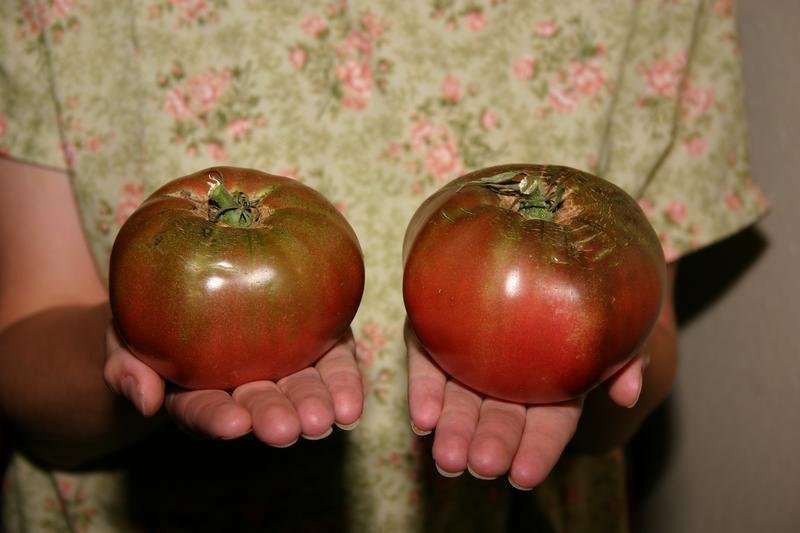 Cherokee Purple Tomato
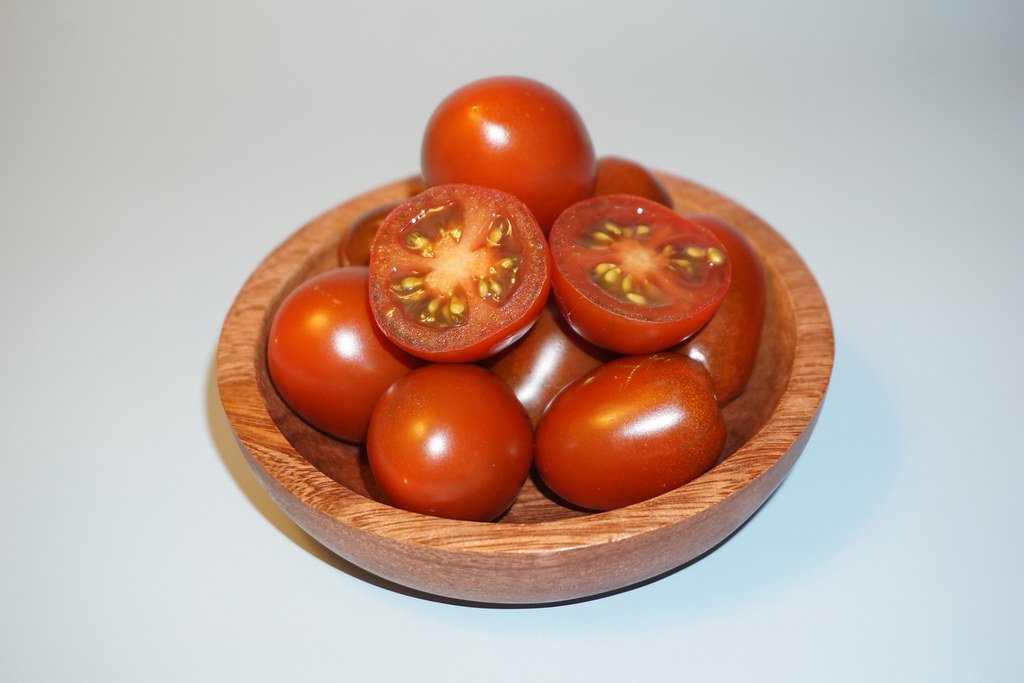 Black Cherry Tomato
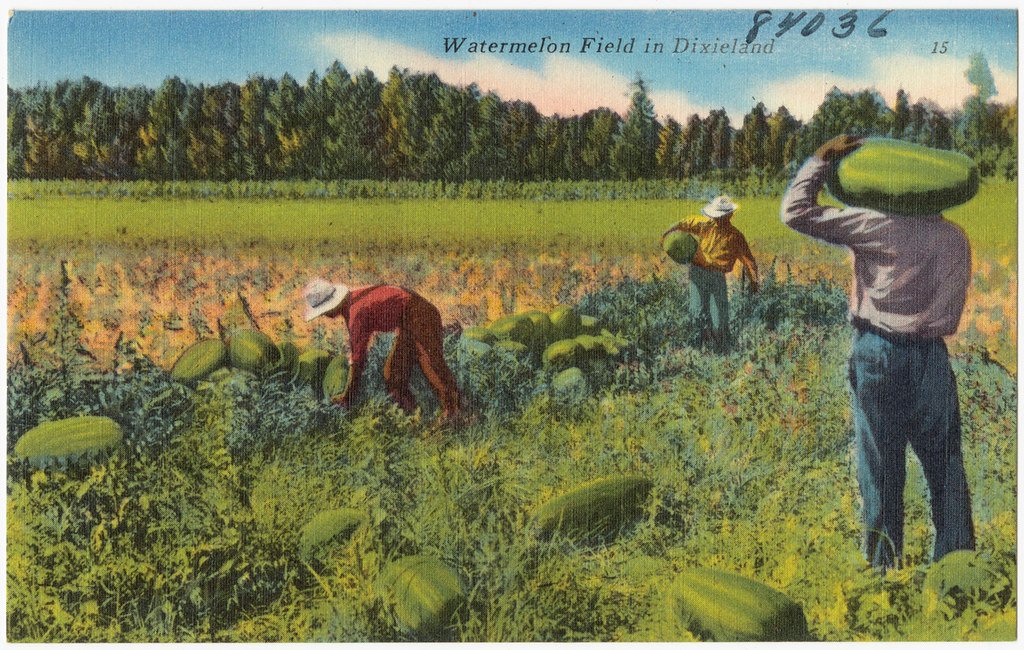 Black Diamond Watermelon
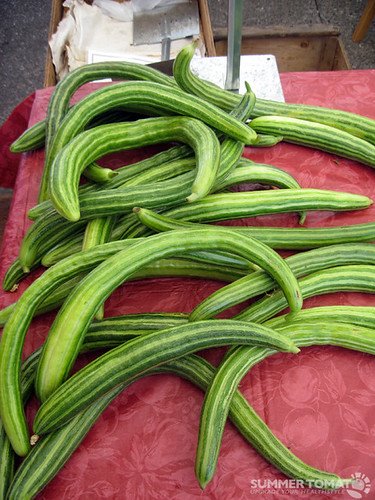 Armenian Cucumber
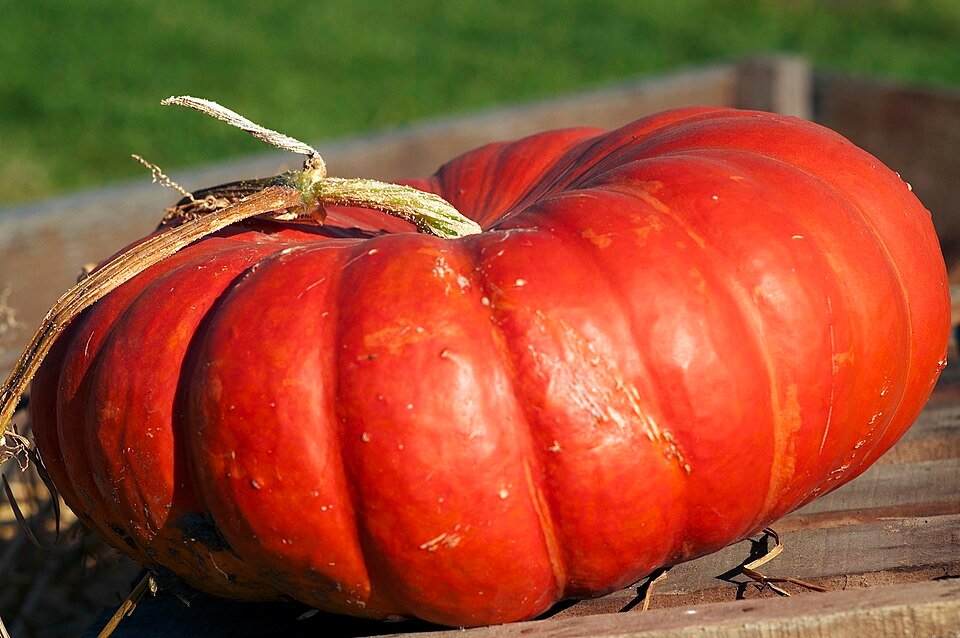 Cinderella Pumpkin
Coming soon in this guide
- When to plant tomatoes, by zone
- How to grow watermelon
- When to plant pumpkins
Frequently asked questions
What is the difference between heirloom and hybrid?
Heirlooms are open-pollinated varieties passed down for generations, and their seed comes true. Hybrids are crosses of two parent lines; their seed does not reliably produce the same plant.
Are heirloom tomatoes harder to grow?
They can be less disease resistant than modern hybrids, so give them good airflow, mulch, and water at the base. Many, like Cherokee Purple, are productive and well worth it.
When should I plant tomatoes outside?
After your last frost, once nights stay above about 50°F. Start seeds indoors 6 to 8 weeks earlier.
Can I save seeds from heirloom vegetables?
Yes. Tomatoes are the easiest. For melons, cucumbers and squash, grow one variety per species or hand-pollinate to prevent crossing.