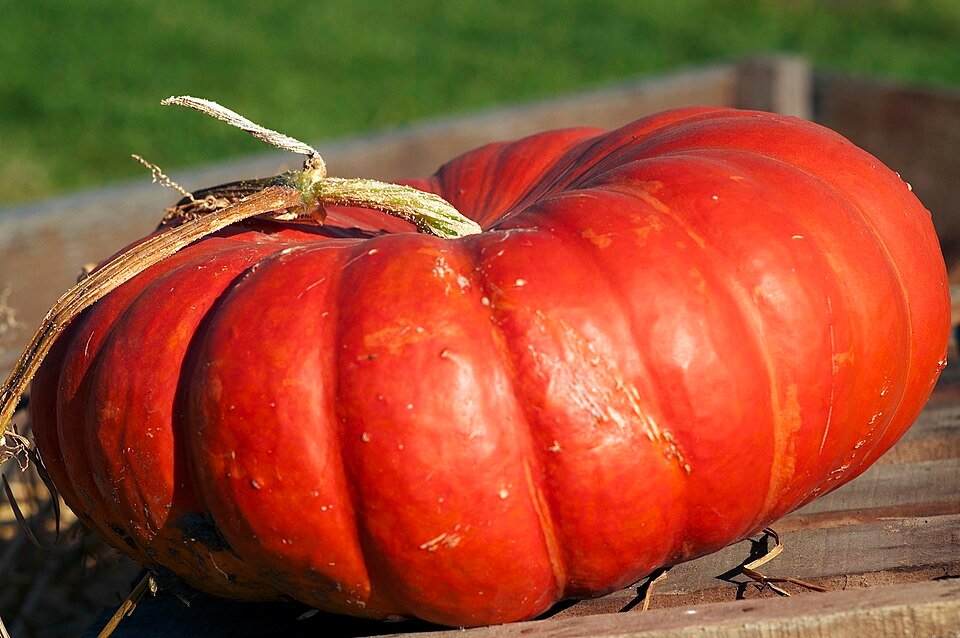
Is Cinderella Pumpkin right for my garden?
Answer four quick questions. Your answers stay on this device.
History and name
Rouge vif d'Étampes, "vivid red of Étampes", was grown around Paris and sold in Paris markets in the 1800s. American gardeners nicknamed it the Cinderella pumpkin because its flat, wheel-like shape matches classic illustrations of Cinderella's carriage. Many people search for it in fall to buy as decoration, but it is just as easy to grow.
How to grow it
It needs a long season, about 95 to 110 days, so in short-summer areas start seeds indoors 2 to 3 weeks before transplanting. Otherwise sow outdoors 1 inch deep once the soil is at least 65°F, in hills 6 to 8 feet apart.
- Rich soilWork compost into each hill. Pumpkins are heavy feeders.
- Deep waterWater at the base, especially while fruits swell.
- PollinatorsFemale flowers need bees. Hand-pollinate if fruit does not set.
- Lift the fruitSet fruits on a board or straw to prevent rot.
Harvest and curing
Harvest when the skin has turned deep red-orange, the rind resists a fingernail and the stem is drying. Cut with a few inches of stem, then cure in a warm, dry place for one to two weeks. Cured fruits keep for several months in a cool room.
Growing calendar
Pick your USDA hardiness zone. Dates shift from your zone's average last spring frost, so treat them as a starting point and adjust for your local forecast.
My planting dates for zone 6
Based on an average last frost around . Change your zone in the calendar above and these dates update.
Works with Apple Calendar, Google Calendar and Outlook. You get a reminder the day before each step.
Problems and solutions
Most Cinderella Pumpkin problems come down to a few causes. Find the symptom you see, then follow the fix.
Vines wilt suddenly
Likely causeSquash vine borer
What to doLook for a hole and sawdust near the base. Slit the stem, remove the larva and bury the stem in soil.
White powder on leaves
Likely causePowdery mildew
What to doImprove airflow and remove the worst leaves.
Pumpkin rots on the ground
Likely causeDamp soil contact
What to doSet fruits on a board or straw.
My season checklist
Tick off each step as you go. The dates follow your zone, and your ticks are saved on this device, so you can come back all season.
Frequently asked questions
What is a Cinderella pumpkin called?
Its variety name is Rouge vif d'Étampes, a French heirloom.
Can you eat Cinderella pumpkins?
Yes. The flesh is moist and mild, good for soups and pies.
How long do Cinderella pumpkins take to grow?
About 95 to 110 days from sowing.
How big do Cinderella pumpkins get?
Usually 10 to 20 pounds, sometimes larger.
How long do Cinderella pumpkins last?
After curing, several months in a cool, dry place.
My garden notes
Write down the variety you planted, the date, where it grows and how it did. Your notes stay private on this device and print on your care card.
More in this guide
This page is part of our complete heirloom vegetables guide. Old-fashioned flavor: heirloom tomatoes, melons, cucumbers and pumpkins.
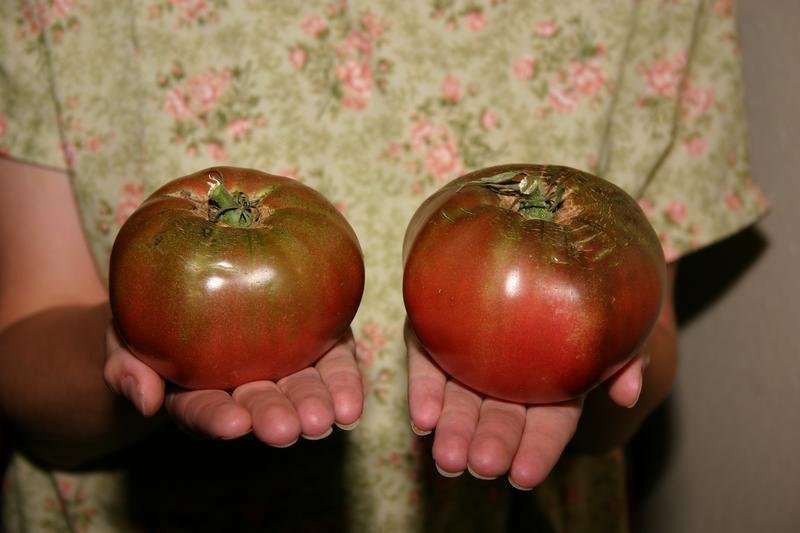 Cherokee Purple Tomato
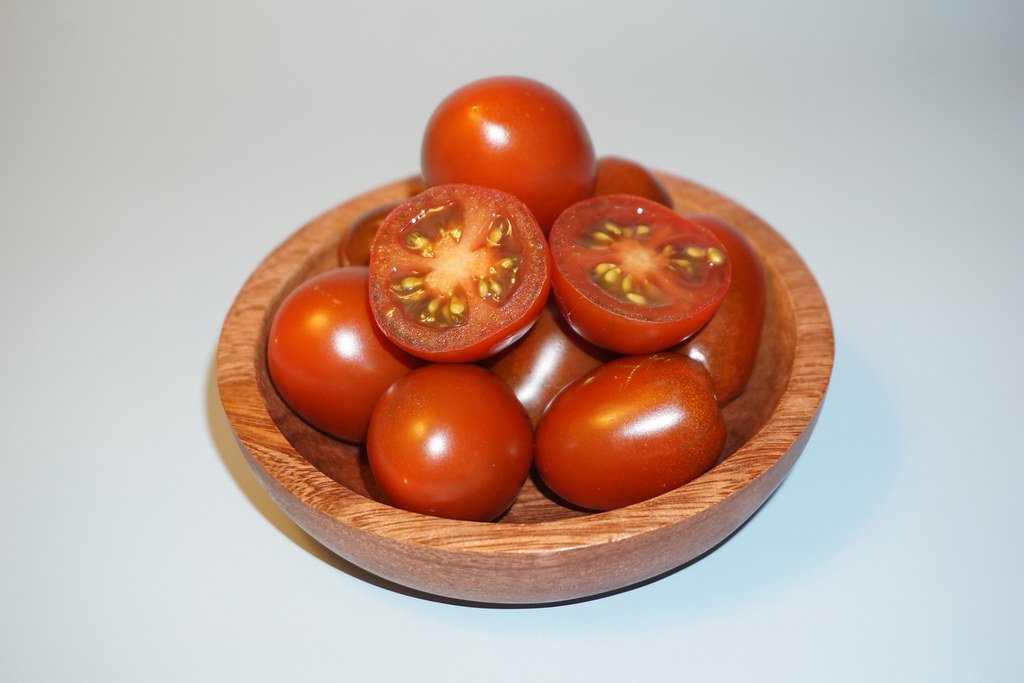 Black Cherry Tomato
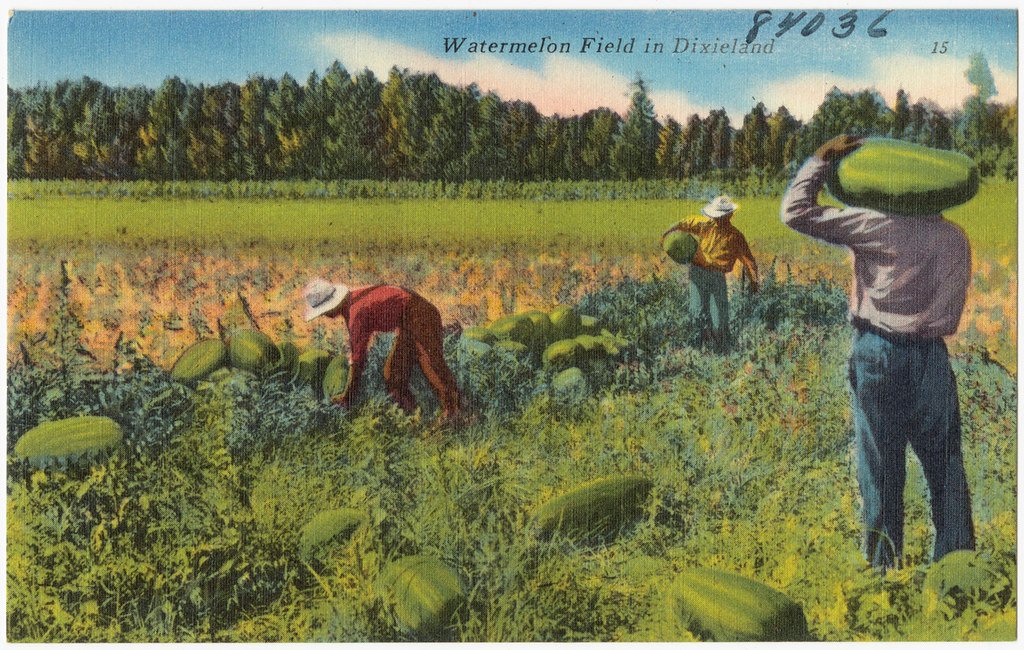 Black Diamond Watermelon
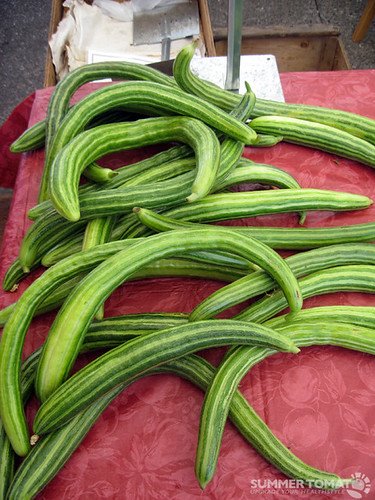 Armenian Cucumber
Sources
- Vilmorin-Andrieux, The Vegetable Garden (1885 English edition)
- Seed Savers Exchange variety notes