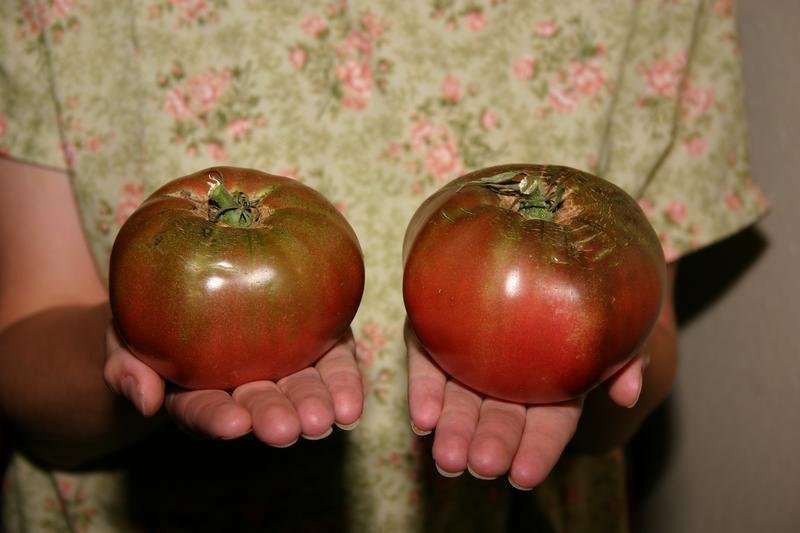
Is Cherokee Purple Tomato right for my garden?
Answer four quick questions. Your answers stay on this device.
Where Cherokee Purple comes from
Tomato collector Craig LeHoullier named and introduced Cherokee Purple in 1990, after John D. Green of Sevierville, Tennessee mailed him seeds. Green's note said the variety had been grown by Cherokee people more than a century earlier. That origin story has never been confirmed, but the tomato itself spread quickly through seed-saving networks and is now sold by most heirloom seed companies.
Because it is open-pollinated, seed you save from a ripe fruit grows the same tomato next year.
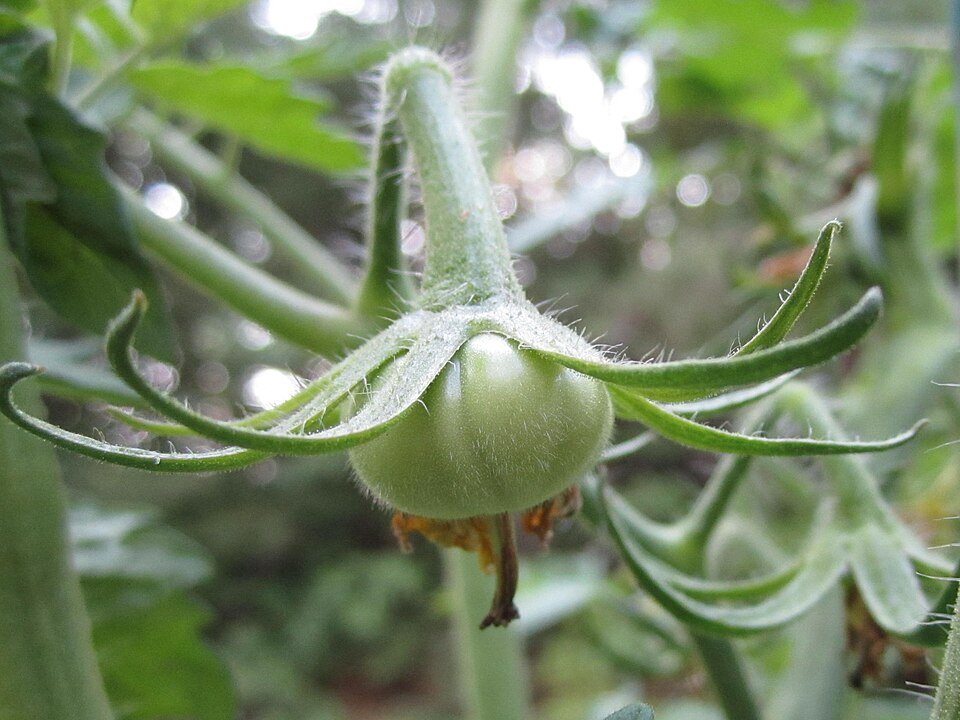
Starting seeds
Sow seeds 1/4 inch deep in seed-starting mix 6 to 8 weeks before your average last frost. They germinate fastest on a heat mat at 75 to 85°F. Once sprouted, give the seedlings strong light for 14 to 16 hours a day so they stay stocky, and pot them up when the first true leaves appear.
Harden seedlings off outdoors for a week before planting. Transplant when nights stay above 50°F, usually one to two weeks after the last frost date. Planting deep, with the stem buried up to the top leaves, gives a stronger root system.
Growing tips
- Give it room and height.Vines often pass 6 feet. Use a sturdy cage, a tall stake or a string trellis.
- Water evenly.Large heirloom fruits crack when dry soil is suddenly soaked. Mulch and water deeply once or twice a week.
- Feed moderately.Too much nitrogen gives leaves instead of fruit. Use a balanced or tomato fertilizer at planting and when fruit sets.
- Expect some cosmetic flaws.Cracks at the shoulders and catfacing are common on big heirlooms and do not affect flavor.
When to pick
Cherokee Purple never turns bright red. Pick when the fruit feels slightly soft, the bottom has turned deep dusky rose and the shoulders are just starting to lose their green. Leftover green on the shoulders is normal for this variety.
Growing calendar
Pick your USDA hardiness zone. Dates shift from your zone's average last spring frost, so treat them as a starting point and adjust for your local forecast.
My planting dates for zone 6
Based on an average last frost around . Change your zone in the calendar above and these dates update.
Works with Apple Calendar, Google Calendar and Outlook. You get a reminder the day before each step.
Problems and solutions
Most Cherokee Purple Tomato problems come down to a few causes. Find the symptom you see, then follow the fix.
Cracks on top of the fruit
Likely causeUneven watering
What to doMulch and water deeply on a regular schedule.
Black, sunken spot on the bottom
Likely causeBlossom end rot from uneven moisture
What to doKeep soil evenly moist. Calcium sprays rarely help.
Lower leaves yellow with brown spots
Likely causeEarly blight
What to doRemove affected leaves, mulch to stop soil splash and water at the base.
My season checklist
Tick off each step as you go. The dates follow your zone, and your ticks are saved on this device, so you can come back all season.
Frequently asked questions
Is Cherokee Purple determinate or indeterminate?
Indeterminate. The vines keep growing and fruiting until frost, so they need tall support.
How many days until Cherokee Purple tomatoes are ready?
About 75 to 80 days from transplanting, depending on the seed company and your climate.
How big do Cherokee Purple tomatoes get?
Most fruits weigh 8 to 12 ounces, with some larger. They are flattened beefsteak shapes.
When is a Cherokee Purple tomato ripe?
When it gives slightly to a gentle squeeze and the lower half is deep dusky rose. Green shoulders are normal.
Can I save seeds from Cherokee Purple?
Yes. It is an open-pollinated heirloom, so saved seed grows true to type.
Why do my Cherokee Purple tomatoes crack?
Cracking usually follows uneven watering. Mulch the soil and water deeply on a regular schedule.
My garden notes
Write down the variety you planted, the date, where it grows and how it did. Your notes stay private on this device and print on your care card.
More in this guide
This page is part of our complete heirloom vegetables guide. Old-fashioned flavor: heirloom tomatoes, melons, cucumbers and pumpkins.
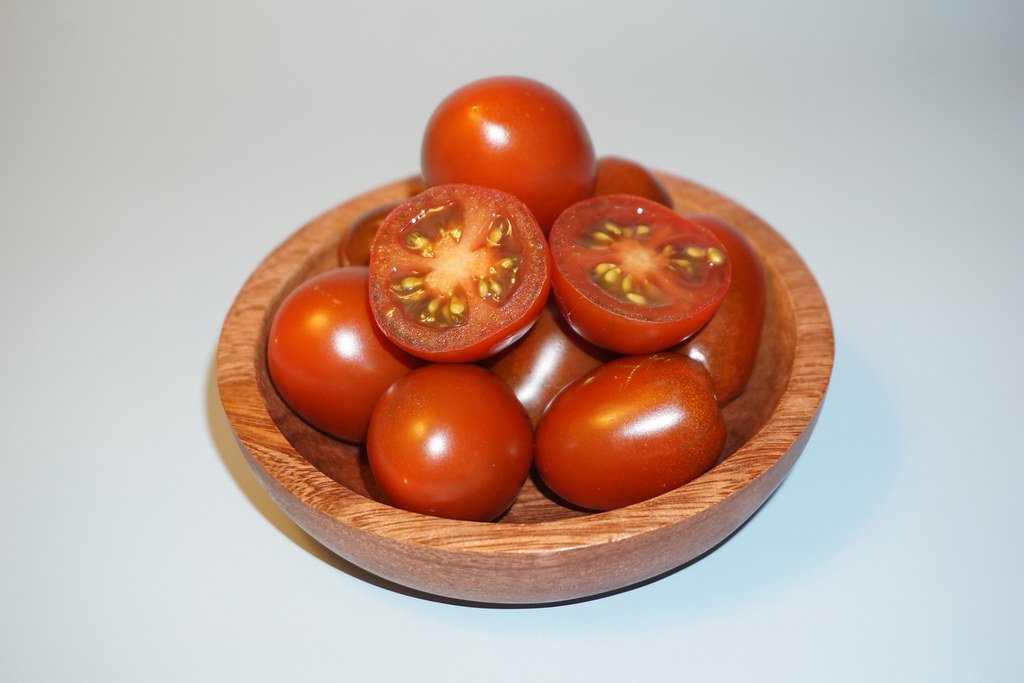 Black Cherry Tomato
 Black Diamond Watermelon
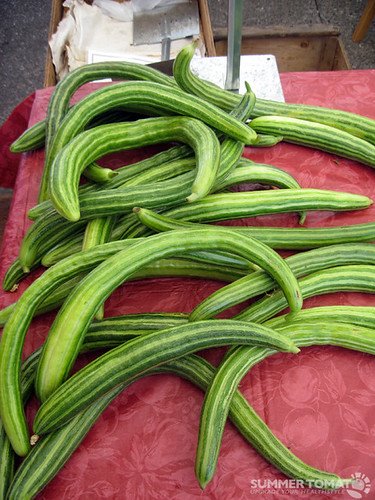 Armenian Cucumber
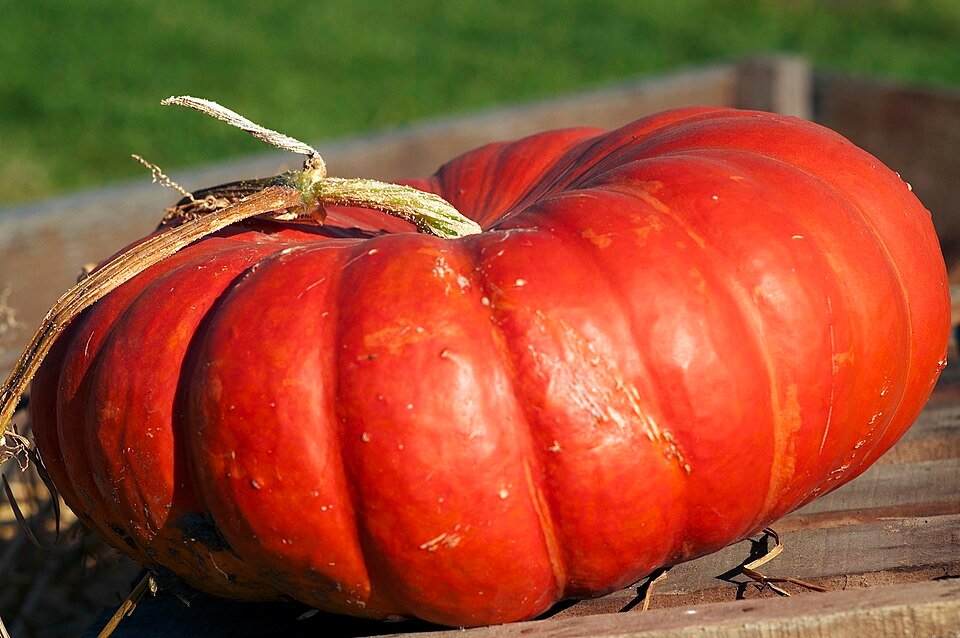 Cinderella Pumpkin
Sources
- Craig LeHoullier, Epic Tomatoes (Storey Publishing, 2015)
- Seed Savers Exchange variety notes
- University of Minnesota Extension: Growing tomatoes