Winter is houseplant season. Start with the three plants most of us bring home in December, then keep them going all year.
Houseplant guides
Have a cat or dog? Check any plant with our free pet-safe plant checker.
Compare at a glance
| Plant | Light | Water | Lasts | Cats and dogs |
|---|---|---|---|---|
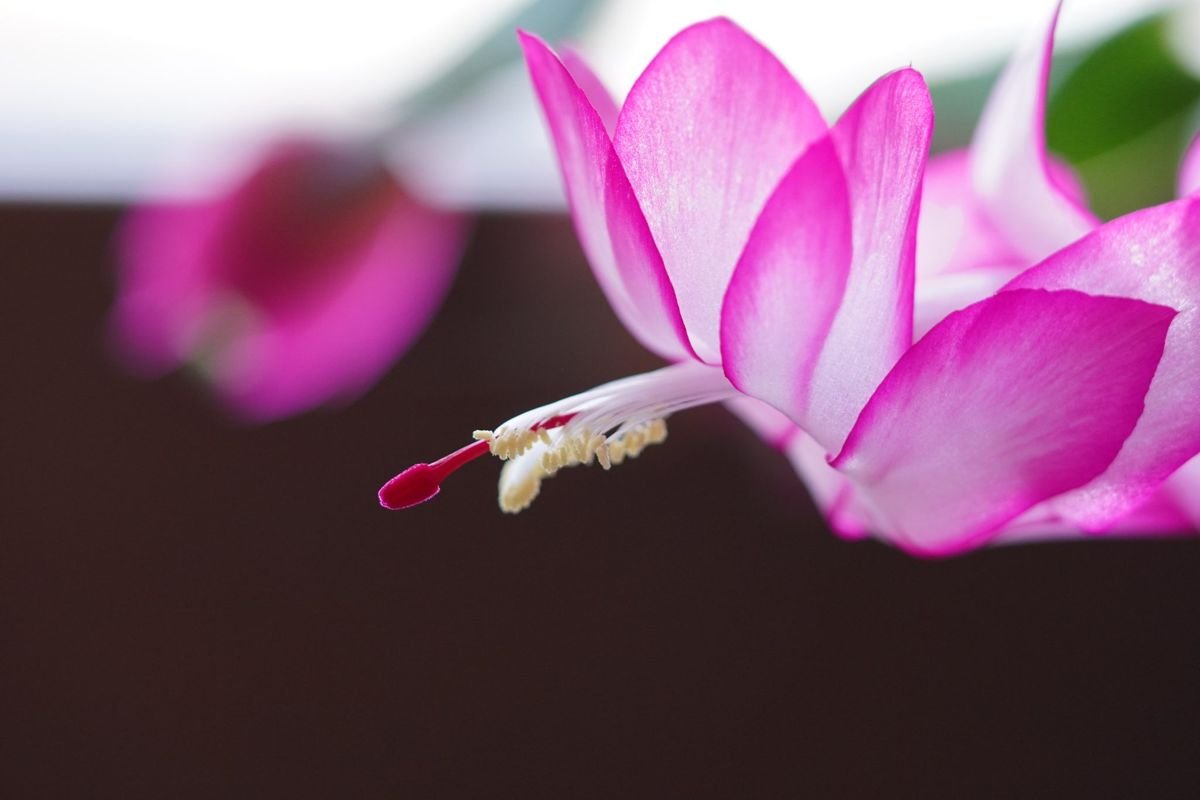
| Christmas cactus | Bright, indirect | When top inch is dry | Decades | Non-toxic |
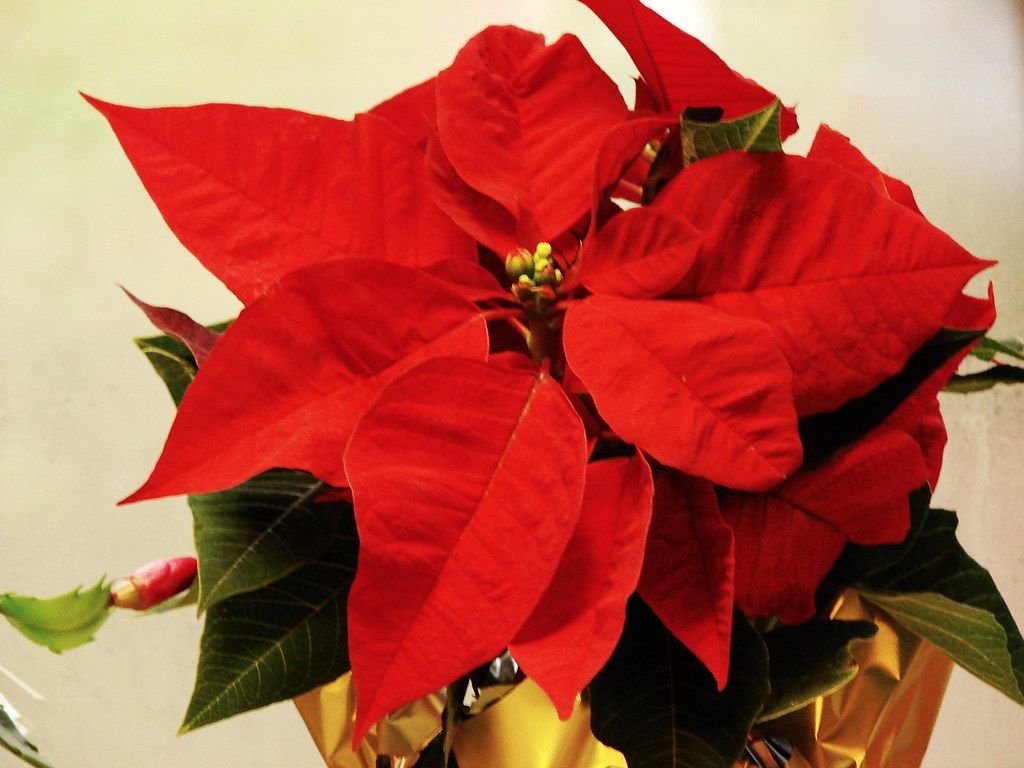
| Poinsettia | Bright, indirect, 6 h | When surface is dry | 6+ weeks in color; can rebloom | Mildly toxic |
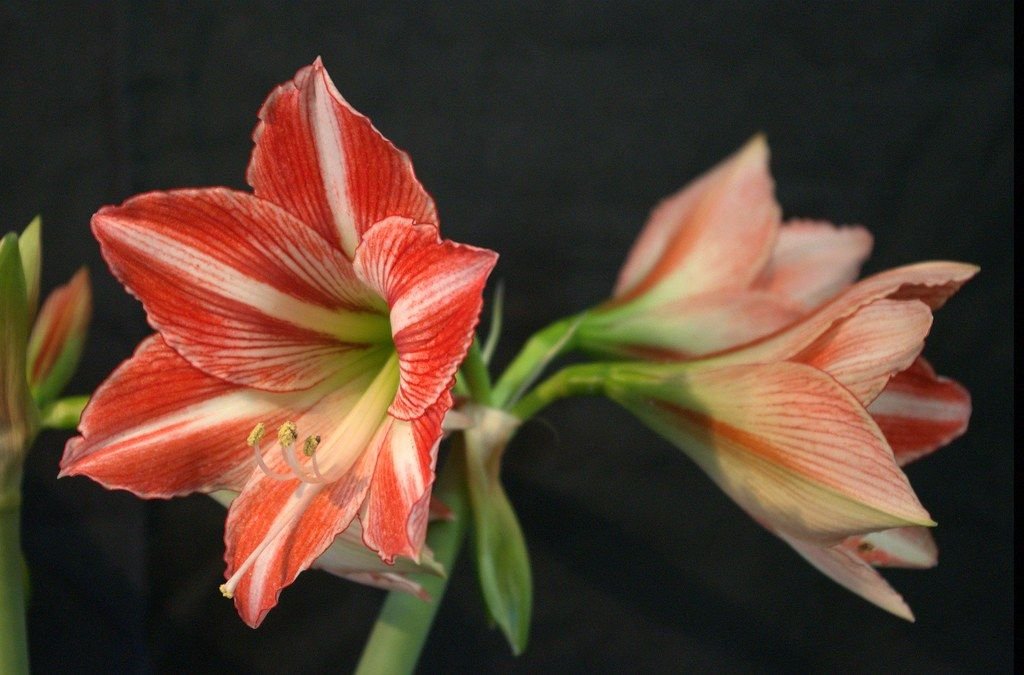
| Amaryllis | Bright | Sparingly until growth | Reblooms for years | Toxic |
Three rules for winter houseplants
- Light first. Winter days are short. Move plants closer to windows, but keep leaves off cold glass.
- Water less. Most houseplants grow slowly in winter. Check the soil with a finger before watering.
- Avoid drafts and vents. Sudden cold or hot, dry air causes most leaf and bud drop.
Coming soon in this guide
- Easy houseplants for beginners
- Peace lily and monstera care
- Fiddle leaf fig care
Frequently asked questions
Which holiday plant is safe for cats?
The Christmas cactus is listed as non-toxic by the ASPCA. Poinsettias are mildly toxic; amaryllis, paperwhites, holly and mistletoe are toxic.
Which holiday plant lasts the longest?
A Christmas cactus can live for decades and blooms every winter. Amaryllis bulbs rebloom for years with summer care.